

In the ever-evolving world of fitness and exercise science, isometric testing has emerged as a powerful tool for assessing and improving strength, stability, and overall athletic performance. Isometric exercises involve static muscle contractions without any joint movement, making them an effective and versatile method for evaluating muscular strength at specific joint angles. In this blog post, we will delve into the principles behind isometric testing, its benefits, and how it can be integrated into your performance testing.
Understanding Isometric Testing
Isometric testing involves exerting force against an immovable object or resisting force applied to a limb without changing its length. This type of exercise places a unique demand on the muscles involved, requiring them to generate tension without undergoing any visible movement. Common examples of isometric exercises include planks, wall sits, and static lunges.
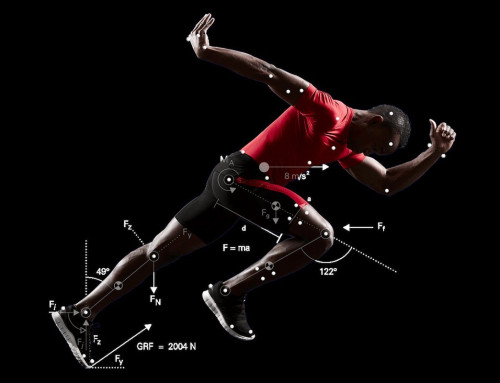
The fundamental idea behind isometric testing is to measure the maximal force that a muscle or group of muscles can generate at a specific joint angle. This provides valuable insights into the strength and stability of muscles in a fixed position, helping to identify weaknesses and imbalances that may contribute to poor performance or increase the risk of injury.
Benefits of Isometric Testing
 Joint-Specific Assessment:

Isometric testing allows for joint-specific assessment, providing a more detailed understanding of muscle strength at different angles. This is crucial for identifying weaknesses or imbalances that may not be evident in traditional dynamic strength assessments.
Enhanced Muscle Engagement:
Isometric exercises recruit a high percentage of muscle fibers, leading to greater muscle activation compared to some dynamic exercises. This increased muscle engagement contributes to improved strength and stability. This use includes but is not limited to post activation potentiation.
Safe for Rehabilitation:
Isometric exercises are often used in rehabilitation settings because they allow individuals to strengthen specific muscle groups without subjecting injured joints to excessive movement. This makes isometric testing a valuable tool for safely rebuilding strength after an injury.
Time-Efficient:
Isometric exercises can be time-efficient, as they require less movement and can be incorporated into a busy schedule. Short, focused isometric sessions can deliver significant benefits in terms of strength gains and improved stability.
Incorporating Isometric Testing into Your Routine
 Identify Weaknesses:

Start by identifying specific muscle groups or joints that may be prone to weaknesses or imbalances. This can be done through a thorough assessment or with the guidance of a fitness professional.
Choose Appropriate Exercises:
Select isometric exercises that target the identified weaknesses. Common choices include static lunges, wall sits, planks, and static holds with resistance bands.
Establish Baseline Measurements:
Before incorporating isometric testing into your routine, establish baseline measurements for each exercise. This could involve recording the duration of a plank, the time spent in a wall sit, or the amount of force applied during a specific static hold.
Progression and Periodization:
As with any training program, it’s important to progressively increase the intensity of your isometric exercises. Implement a periodization plan that includes variations in duration, intensity, and angles to prevent plateaus and optimize gains.
Conclusion
Isometric testing is a valuable addition to any comprehensive fitness program. By providing a targeted assessment of muscle strength and stability at specific joint angles, isometric exercises can help individuals tailor their training to address weaknesses and imbalances. Whether you’re an athlete looking to enhance performance or someone recovering from an injury, incorporating isometric testing into your routine can lead to improved strength, stability, and overall functional fitness.












Leave A Comment