Altitude Training for Endurance: Benefits, Limitations, and the Live High, Train Low Model by Davis Joyner

[This is a guest blog from Davis Joyner. Davis recently completed the Athletic Lab Sport Science Mentorship program.] Athletes are always searching for ways to improve endurance, increase aerobic capacity, and gain an overall competitive advantage. Among the most researched topics are altitude training and hypoxic training. These training methods expose the body to reduced oxygen availability, facilitating physiological adaptations that can increase aerobic capacity and overall performance after returning to sea level. These methods are typically used by highly trained marathon runners, cyclists, and soccer players seeking a slight edge over their opponents. This article explores the science behind altitude and hypoxic training, including their physiological effects, benefits, and limitations. What Is Altitude Training? The concept of altitude training is straightforward: at elevations above approximately 2,000 m, the air contains less oxygen than it does at sea level. The reduction in oxygen availability at altitude creates physiological stress on the body, forcing adaptations that could improve oxygen transport and utilization. After training at altitude, these adaptations can potentially enhance endurance performance and provide a competitive edge. However, altitude training is not a guaranteed performance enhancer. Research shows that while some athletes experience significant gains from altitude training, others see little to no benefit. Its effectiveness depends on several factors, including altitude exposure, training design, and the specific sport for which the athlete is training. For example, research has shown that “if athletes could live at moderate altitude, above 2,500 m, but train at low altitude, below 1,500 m, they could acquire the physiological advantages of altitude acclimatization for maximizing oxygen transport, without the detraining associated with hypoxic exercise” (Levine & Stray-Gunderson, 1997). Altitude Training Models There are a few different models athletes can follow [...]
By |2026-08-14T12:24:17-04:00August 15th, 2026|Training Info|0 Comments

How Joint Angles Influence Sprint Speed and Performance by Kaitlyn Eger

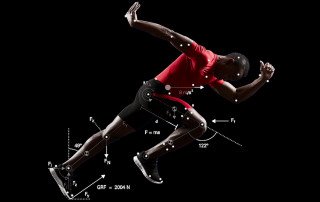
[This is a guest post by Kaitlyn Eger. Kaitlyn completed her Bachelor’s of Exercise Science degree at Youngstown State University while being a member of the track team. She has earned her Certified Strength and Conditioning Specialist certification from the NSCA and is passionate about strength and conditioning and enhancing sports performance through evidence-based coaching. She recently completed the Applied Sport Science Track of Athletic Lab Coaching Mentorship Program. She will be continuing on to her Masters at Utah State also being apart of the track team for her last two years.] Speed isn't just built in the weight room—it's built through movement. An athlete can become stronger, more powerful, and more explosive, but if their sprint mechanics are inefficient, they will eventually hit a ceiling in performance. Just as proper technique is essential for maximizing strength during a lift, efficient biomechanics are critical for maximizing sprint speed. Oftentimes, a sprinter is already fast, whether you're naturally fast or not, any athlete will want to improve their speed, and to do that you must refine how they move. By analyzing sprint biomechanics, coaches can identify technical deficiencies and make small mechanical adjustments that lead to meaningful improvements in performance. It is best to understand the background, or the “why,” of a movement before doing so; that is where science comes into play. Understanding the biomechanics behind sprinting benefits not only sprinters but also athletes in field and court sports, where acceleration and change of direction are essential. Looking at different joint angles can help find a mechanical advantage for athletes on the field during game status and prevent more injury when it comes to change of direction work. Biomechanics is the scientific study of structure, [...]

By |2026-08-14T12:23:19-04:00July 27th, 2026|Training Info|1 Comment

How Exercise Can Help With The Fight Against Parkinson’s Disease by Christian Fortin

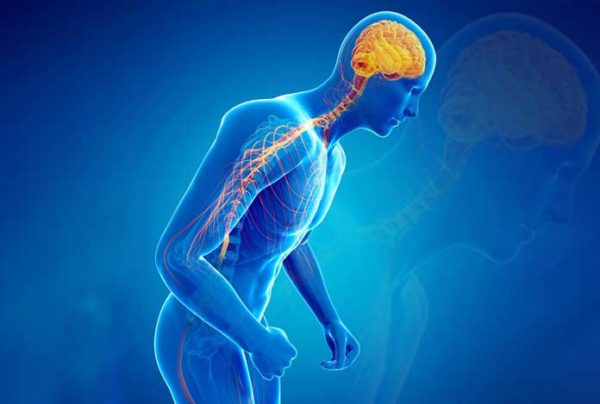
[This is a guest post by Christian Fortin. Christian is passionate about strength and conditioning and enhancing sports performance through evidence-based coaching. He recently completed the Athletic Lab Coaching Mentorship Program.] What is Parkinson's disease? Parkinson's Disease (PD) is a neurological disorder that affects muscle movements and brain function. The part of the brain it attacks is the basal ganglia, which is important for the initiation and control of subconscious, gross body movements. It also plays a key role in regulating the intensity of movement parameters. PD mainly affects the production of dopamine in this region, which leads the brain to struggle with regulating movement. Not only is motor function affected, but it can also affect sleep, digestion, an increase in depression and anxiety, and cognitive issues. There is currently no known cure for Parkinson's, but research has been pointing to physical activity as a great way to slow down the effects of Parkinson's (1). The research One study, conducted in the Parkinson's Environment and Gene study in California, followed 555 PD patients and examined sedentary, moderate, and strenuous exercise. People with Parkinson's who participated in strenuous physical activity exhibited lower C-protein levels. This is important because having higher levels of C-protein can lead to motor deterioration. Another benefit is increased Fc receptor-like 2 (FcRL2) expression, which may regulate B-cell activity and help improve immune function. Participants in the moderate physical activity group also experienced reduced brain inflammation. Meanwhile, sedentary patients had higher levels of inflammation than those in the moderate and strenuous physical activity groups. (7) From this data, we can see that physical activity reduces chronic inflammation in patients with PD. Another study followed 237 patients who had early signs of Parkinson’s disease [...]

By |2026-03-30T16:36:16-04:00February 6th, 2026|Training Info|Comments Off on How Exercise Can Help With The Fight Against Parkinson’s Disease by Christian Fortin

Introduction to Cueing: The Frans Bosch Method by Hanna Cabrera

[This is a guest post by Hanna Cabrera. Hanna is a recent Exercise Science graduate from UNC Charlotte. She is passionate about strength and conditioning and enhancing sports performance through evidence-based coaching. She is currently taking part in the Athletic Lab Coaching Mentorship Program.] Frans Bosch is a Dutch sports scientist, author, and renowned coach recognized for his innovative approach to athletic performance, particularly in the areas of biomechanics, motor learning, and strength training. He has lectured in motor learning and biomechanics at Fontys University of Applied Sciences in the Netherlands and has coached elite athletes across multiple sports, including track and field, rugby, soccer, and baseball [1]. Throughout his career, Bosch has challenged traditional strength and conditioning practices that focus on isolated muscle training and strict technical instruction. He promotes a systems-based approach that emphasizes coordination, variability, and adaptability [1,2]. He believes these qualities are essential for developing athletes who can perform effectively in unpredictable, real-world environments. His work has inspired coaches to rethink how they teach movement, highlighting that athletic success depends not only on physical strength but also on the ability to coordinate and adapt efficiently under pressure [1]. Building Athlete Independence Bosch’s coaching philosophy emphasizes the importance of aligning feedback with the athlete’s developmental stage and the specific demands of the sport [1,2]. He believes that athletes develop a stronger sense of self-efficacy when they are given the freedom to explore movement challenges independently rather than relying too heavily on instruction. This approach encourages athletes to take ownership of their learning process and ultimately build confidence in their ability to problem-solve during performance. By creating space for exploration, athletes learn to self-organize and discover efficient movement solutions on their own. Understanding [...]

By |2025-10-21T16:02:41-04:00October 20th, 2025|Training Info|0 Comments

Unlocking Athletic Potential: The Power of Sport Performance Training for High School Athletes

High school represents a critical window for athletic development. During these formative years, young athletes are primed to make significant gains in speed, strength, and conditioning that will serve them throughout their athletic careers and beyond. At Athletic Lab, we understand that comprehensive sport performance training isn't just about improving game statistics—it's about building a foundation for lifelong fitness, injury prevention, and peak athletic achievement. Why High School Athletes Need Specialized Performance Training The teenage years mark a unique period of rapid physical development. Growth spurts, hormonal changes, and neurological maturation create an optimal environment for athletic adaptation. However, without proper guidance and structured training, young athletes may miss this crucial developmental window or, worse, develop movement patterns that increase injury risk. Traditional high school sports programs, while valuable for skill development and team building, often lack the comprehensive approach needed to maximize athletic potential. This is where dedicated sport performance training becomes invaluable, addressing the three pillars of athletic excellence: speed development, strength training, and conditioning. The Speed Advantage: More Than Just Running Fast Speed training extends far beyond simply running faster in a straight line. For high school athletes, comprehensive speed development encompasses: Acceleration and Deceleration Learning to efficiently accelerate from stationary positions and safely decelerate during direction changes is crucial for sports like basketball, soccer, and football. Proper acceleration mechanics can shave tenths of seconds off sprint times—the difference between making and missing a game-changing play. Agility and Change of Direction Multi-directional speed training improves an athlete's ability to cut, pivot, and react quickly to game situations. These skills translate directly to better defensive positioning, more effective offensive moves, and reduced injury risk during unpredictable game scenarios. Reaction Time and First Step [...]

By |2025-08-29T19:15:22-04:00September 1st, 2025|Training Info|0 Comments

Recovery Revolution: Hot & Cold Therapy Trends

Hot and cold therapy has stormed into the spotlight as a recovery ritual for athletes, fitness enthusiasts, and wellness seekers in 2025. This “Recovery Revolution” isn’t just an Instagram fad—it’s scientifically backed and powered by innovation, personalization, and accessibility. Let’s explore how hot, cold, and contrast therapies are reshaping how we bounce back, perform, and thrive post-training. The Rise of Cold Therapy: Cold Plunges, Cryotherapy & Beyond Cold plunging isn’t just for the hardcore athlete anymore; it’s mainstream. In 2025, at-home cold plunge systems and facial cold immersion kits are making cold therapy accessible to virtually everyone. Cold water immersion (typically 39–55°F for several minutes) has been shown to: Reduce muscle soreness Boost mood and focus Improve circulation and sleep quality Accelerate recovery post-exercise Activate the parasympathetic nervous system for relaxation[1][2] Facial ice baths are surging for their ability to decrease puffiness, promote healthy skin, and relieve facial tension. For athletes, cold immersion also helps lower inflammation—an essential factor for effective recovery and injury reduction.[2] Hot Therapy: Still a Clinician’s Favorite for Muscle Relief Heat remains a trusted tool in the recovery toolbox. Research demonstrates that hot packs are especially effective at relieving pain from delayed onset muscle soreness (DOMS) within the first 24–48 hours after exercise. In fact, hot pack therapy has shown more stable results for pain reduction compared to other modalities, making it a top pick for clinical application post-exercise.[3][4] Hot packs excel at reducing muscle pain both immediately and several hours after exercise Heat boosts blood flow, relaxation, and tissue elasticity Contrast Therapy: The Goldilocks Solution for Athletic Recovery Contrast therapy alternates between hot and cold treatments, such as switching between hot and cold baths or specialized contrast devices. This technique [...]

By |2025-08-20T16:28:03-04:00August 27th, 2025|Training Info|0 Comments

Functional Fitness for Everyday Athletes

Functional fitness has rapidly become one of the most popular trends among everyday athletes, with its focus on enhancing physical capabilities used in real-life situations. Instead of training solely for aesthetics or isolated strength, functional fitness aims to develop strength, power, endurance, mobility, and cognitive abilities to help you move, react, and perform better in daily life and sport.[1][2] What Is Functional Fitness? Functional fitness encompasses exercises and routines that mimic real-world movements, challenging your muscles, nervous system, and mind in more holistic ways than traditional, single-joint workouts. As Athletic Lab emphasizes, effective training takes a dynamic, multilateral approach, weaving together skill, endurance, mobility, strength, and power into a unified system.[2][1] Training should be a dynamic and ever-evolving process... Incorporating skill, endurance, mobility, and realizing how they all interact is essential in producing the best possible performance.[1]  The Science of Functional Training: Andy Galpin’s Approach Dr. Andy Galpin, a leading exercise scientist, advocates for training protocols that build not just muscle size, but also metabolic health, movement efficiency, and resilience. His programs typically combine: Hypertrophy Workouts: For functional muscle growth and injury resistance Grip Strength: Crucial for everything from carrying groceries to athletic performance HIIT and Endurance: Blending high-intensity intervals with long-duration aerobic work for cardiovascular health and mitochondrial efficiency Compound Movements: Squats, lunges, deadlifts, rows, and presses that engage multiple muscle groups for real-life strength Galpin recommends periodized routines, mixing phases of strength, hypertrophy, and endurance rather than focusing on one element all year round. This style not only optimizes muscular development but also helps maintain fast-twitch muscle fibers that are especially important as we age.[3][4] Andrew Huberman: Building a “Foundational Fitness Protocol” Neuroscientist Dr. Andrew Huberman stresses the importance of a “foundational fitness [...]

By |2025-08-19T13:58:05-04:00August 24th, 2025|Training Info|0 Comments

Leveraging Wearable Tech in Everyday Training

Wearable technology isn’t just for elite athletes or tech enthusiasts anymore. Today, smartwatches, fitness trackers, and heart rate monitors have become powerful tools for everyday athletes, weekend warriors, and those just looking to move more. But how can you make the most of this tech—beyond counting steps or logging calories? Let’s dive into practical, evidence-based strategies that make wearables a game changer in training. What Counts as “Wearable Tech”? Fitness trackers (e.g., Fitbit, Garmin, Apple Watch) GPS sports watches Heart rate monitors (chest straps, arm bands) Smart clothing and sensor-equipped shoes Recovery aids (sleep trackers, muscle oxygen monitors) The Science: Why Wearables Work Wearables collect data on movement, heart rate, sleep, and more. Studies show that using a fitness tracker can increase physical activity by providing feedback and accountability, especially when users set specific goals and monitor their progress regularly. In a 2023 meta-analysis, those who consistently used wearables walked 2,000 more steps per day on average and reported higher motivation for exercise. Accurate Tracking for Performance Gains Track distance, pace, and intensity in real time. Heart rate data guides training zones (fat burning, cardio endurance, peak intensity). GPS enables route mapping and pace analysis. Motivation and Accountability Automatic reminders, milestone alerts, and social sharing boost engagement. Visual progress charts and friendly challenges can keep you going, even on low-energy days. Injury Prevention and Recovery Early alert to irregular patterns (e.g., high resting heart rate signals fatigue). Sleep and recovery tracking to optimize rest days—crucial for reducing overtraining risks. Everyday Best Practices Set SMART Goals (Specific, Measurable, Achievable, Relevant, Time-bound) Check your data—don’t obsess, but look for long-term trends (e.g., increasing weekly mileage, improving sleep quality). Use “training zones” for running, cycling, or HIIT based [...]

By |2025-08-13T09:01:11-04:00August 13th, 2025|Training Info|0 Comments

Recovery Redefined: What Actually Works & Why by Jannis Oberbeil

[This is a guest post by Jannis Oberbeil. Jannis is an experienced coach from Germany currently taking part in the Athletic Lab Coaching Mentorship Program.] In recent years, the fitness and sports world has seen a boom in recovery strategies: Influencers plunge into freezing tubs. Wellness blogs swear by compression and foam rolling. And fitness apps buzz about heart rate variability and active recovery protocols. But with so many options available, it raises the question: Which recovery method actually works best? And are some methods more hype than help? In this article, we'll explore and compare some of the most popular recovery techniques, break down the science behind them, and help you decide which ones are worth integrating into your routine—based on evidence, practicality, and your specific training goals. Recovery in General Recovery Definition The term recovery is derived from the Latin word regeneratio, meaning "regeneration" or "renewal." In a medical context, it refers to the functional and structural restoration of damaged tissues or organs through the formation of new cells. This regenerative process can be either complete or partial, depending on the extent of the damage and the effectiveness of the recovery strategy applied (Antwerpes, 2022). In the realm of exercise and athletic performance, recovery is understood as the physiological and psychological response to fatigue. Fatigue itself can be defined as a reversible decline in performance capacity, which may affect both physical and mental domains. Generally, two forms of fatigue are distinguished: Acute Fatigue Acute fatigue arises immediately following intense physical activity. It typically lasts between one and three days and is considered a normal part of the training process. With appropriate recovery measures, the body usually returns to baseline—or even above it—relatively quickly [...]

By |2025-07-19T16:14:34-04:00July 21st, 2025|Training Info|0 Comments

Resistance Training in Youth Physical Development

With the return of the Lab Rats program to our Long Term Athletic Development service continuum, it's important to highlight the benefits of exercise in general, but specifically resistance training, for children. The Role of Physical Activity and Resistance Training Childhood inactivity has reached all-time highs. In fact, obesity has reached epidemic proportions in modern society, posing serious physical and emotional risks for affected children. Recent data indicate that approximately 17.1% of youth aged 2 to 19 years are classified as obese, with an additional 33.6% at high risk of developing obesity (Ogden et al., 2014). Contributing factors include poor dietary habits and increased screen time from devices such as smartphones and tablets, which have led to a more sedentary lifestyle among children and adolescents (Andersen et al., 2017; Tremblay et al., 2011). The Importance of Physical Activity and Resistance Training for Children Physical activity, including resistance training, is a proven strategy for reducing body fat and improving overall health in children and adolescents. Research shows that structured exercise programs not only decrease adiposity but also enhance cardiovascular health, bone density, and motor skills (Faigenbaum et al., 2009; Strong et al., 2005). Despite these benefits, many parents remain concerned about the potential for resistance training to stunt growth or cause injury in young children. However, evidence indicates that when resistance training is properly designed and supervised by qualified professionals, it does not negatively impact growth or increase injury risk. In fact, such programs can have a positive influence on bone strength, motor development, and overall physical literacy (Faigenbaum et al., 2009; Lloyd et al., 2014). Long-Term Benefits for Athletic Performance and Injury Prevention Engaging in resistance training and general physical activity from a young age [...]

By |2025-05-25T17:57:19-04:00May 26th, 2025|Training Info|0 Comments
Go to Top