


[This is a guest blog by Sims Setser. Sims is pursuing a BS in Kinesiology, while completing a Sports Science and Performance Coaching Mentorship at Athletic Lab.]
The rapid rise of artificial intelligence (AI) is transforming industries across the board, and sports science is no exception. From performance analysis to injury prevention and rehabilitation, AI holds significant potential to revolutionize the way athletes are trained and managed. By leveraging big data and machine learning algorithms, sports scientists can offer deeper insights into an athlete’s performance, health, and overall well-being, leading to more personalized and effective training programs. However, AI’s rapid adoption also brings challenges, including data privacy risks, ethical concerns, and financial barriers that may limit accessibility.
The Intersection of AI and Sports Science
Sports science has traditionally relied on the combination of empirical research and practical experience to improve athletic performance. However, with the massive amounts of data now being generated by wearables, video analysis, and other technology, analyzing and interpreting this data can be an overwhelming task. This is where AI steps in. Machine learning algorithms can process vast quantities of information, detecting patterns and relationships that might not be immediately apparent to humans. In doing so, AI can enhance traditional sports science methods by making them more precise and efficient.
Performance Monitoring and Enhancement
 One of the most exciting areas where AI is expected to make a significant impact is in performance monitoring and enhancement. Traditionally, sports scientists would analyze an athlete’s performance based on a combination of manual observation, video footage, and periodic testing. With AI, this can be taken to a whole new level.
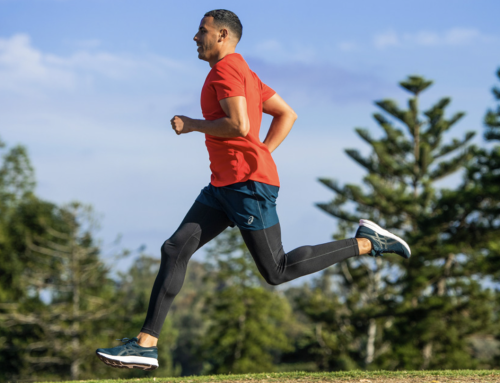
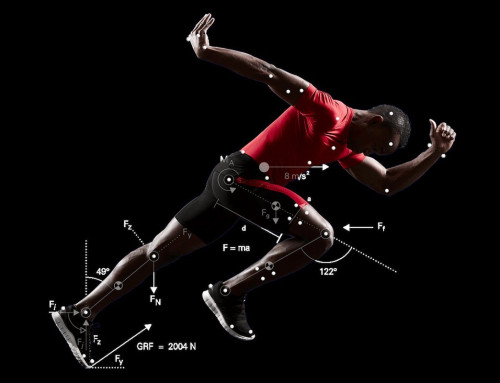
Advanced AI-driven systems can now analyze movement patterns in real-time, using data from wearable devices, GPS systems, and video feeds. Machine learning models can track biomechanical markers such as stride length, ground contact time, and acceleration to provide precise feedback to athletes and coaches. This real-time analysis allows for immediate adjustments to training programs, optimizing performance with minimal delay (López-Valenciano et al., 2020). For instance, AI could predict the point at which an athlete will experience fatigue based on historical performance data and suggest modifications to reduce the risk of injury or loss of performance.
In a practical context, elite football clubs and Olympic teams are already using AI-based tools to track the performance of their athletes. For example, FC Barcelona uses AI to analyze in-game performances, detecting even the most subtle changes in movement and decision-making (Baca et al., 2019). Similarly, Athletic Lab incorporates AI in their monitoring and sports science initiatives with the North Carolina Courage. Still, high costs limit AI adoption to wealthier organizations, creating a disparity in access for less-resourced teams.
Personalized Training Programs
 One of the most promising applications of AI in sports science is its ability to develop individualized training programs. Every athlete is different, and a one-size-fits-all approach can limit performance potential or, worse, lead to overtraining and injury. AI can process data from various sources such as biometric sensors, performance history, and even psychological assessments to create a tailored training plan that suits the unique needs of each athlete.
AI can help identify strengths and weaknesses more accurately, allowing coaches to focus on specific areas where athletes excel or need improvement. By analyzing past training sessions, AI systems can predict how an athlete will respond to future sessions, enabling adjustments in intensity, duration, or type of activity to maximize performance outcomes while minimizing injury risks (Alpaydin, 2020).
Moreover, AI can continuously learn and adapt. As athletes improve, the AI system updates its algorithms, making the training program more challenging or modifying exercises to meet the evolving needs of the athlete.
Injury Prevention and Rehabilitation
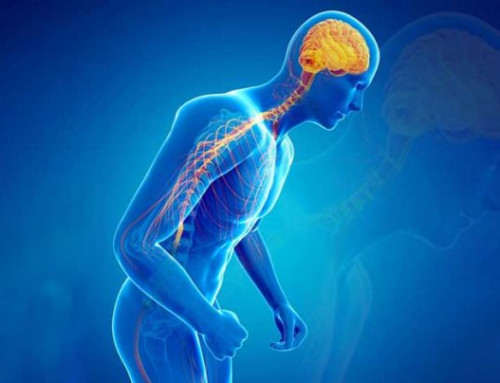
Injury prevention and rehabilitation are areas of critical importance in sports science, and AI is already making strides here. One of the primary advantages of AI in this area is its ability to predict injuries before they happen. Machine learning algorithms can analyze an athlete’s biomechanical data and past injury history to detect subtle deviations that may signal an impending injury. For example, if an athlete’s running gait begins to change over time due to fatigue, an AI system can detect this change early, alerting coaches and trainers so that they can modify the athlete’s workload (Hickey et al., 2021). This ability can be utilized to monitor a pitcher’s arm path, golfer’s swing, or any sporting situation where movement efficiency is a primary concern.
Once an injury has occurred, AI can also play a role in rehabilitation. AI-driven platforms can guide athletes through their rehabilitation programs, adjusting exercises based on their progress and providing feedback on their movement patterns. Some systems even incorporate computer vision technology to monitor exercises and ensure proper form, thus reducing the risk of re-injury (Rana et al., 2020). This form of remote monitoring can be particularly valuable for athletes who are unable to work closely with a rehabilitation specialist due to geographical or time constraints.
Talent Identification and Scouting
AI is also revolutionizing talent identification and scouting. In the past, scouting for talent was often based on subjective judgment and limited exposure to players. With AI, scouts and coaches can leverage data-driven insights to identify potential stars. AI systems can analyze game footage, performance data, and even physiological metrics to determine which athletes possess the most potential.
For example, an AI system might be able to identify a young basketball player with an unusually high “basketball IQ” based on their decision-making speed, court vision, and passing accuracy, even if they are not the highest scorer. This objective analysis reduces the biases that can affect traditional scouting, such as the tendency to favor physically imposing athletes over those with more nuanced skills (Moura et al., 2021).
Additionally, AI tools can assist in monitoring player development over time. By tracking key performance indicators, coaches and scouts can determine whether a young athlete is progressing as expected or if they require additional support to reach their full potential.
Mental Health and Cognitive Training
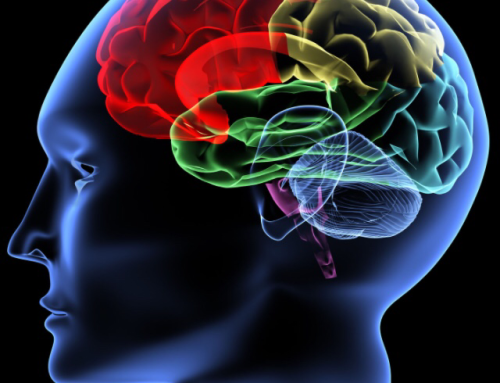
 Athletic performance is not solely dependent on physical capabilities; mental health and cognitive skills also play a crucial role. AI can assist in this area by tracking mental wellness and providing cognitive training exercises to optimize mental sharpness.
For example, AI-driven platforms can monitor sleep patterns, stress levels, and mood fluctuations through wearable devices. This data can then be used to offer recommendations for improving mental well-being, such as adjusting training loads or suggesting mindfulness techniques. Some platforms even include biofeedback mechanisms that help athletes improve focus and concentration, which are critical for peak performance in high-pressure situations (Panch et al., 2018).
Ethical Considerations and Challenges
Despite the many advantages that AI brings to sports science, there are also several ethical considerations and challenges. One major concern is the potential for data privacy violations. AI systems collect and process vast amounts of personal data from athletes, and ensuring that this data is stored and used ethically is a significant challenge. Misuse of this data could lead to unfair competitive advantages or even discrimination against athletes based on their physiological profiles.
Another concern is the possible reduction of the human element in coaching and sports science. While AI can offer valuable insights, it cannot replace the intuition and experience of human coaches. There is a risk that over-reliance on AI could lead to a more mechanistic approach to training, where athletes are treated as data points rather than individuals with unique psychological and emotional needs.
Lastly, the implementation of AI technologies can be expensive, making them accessible mainly to elite teams and organizations. This could widen the gap between well-funded and under-resourced athletes, creating inequities in sports development.
Conclusion
The integration of AI into sports science is already underway, offering diverse tools for performance enhancement, injury prevention, mental wellness, and scouting. Today’s options primarily include AI-based performance analytics, real-time feedback from wearable tech, and rehabilitation tools that personalize athlete recovery. Future developments may focus on increasingly refined models for individualized training, greater ethical oversight for data use, and expanded AI accessibility for all athletes, not just elite professionals. However, as with any emerging technology, there are many considerations and challenges that must be addressed. As AI continues to evolve, sports scientists and coaches will need to strike a balance between leveraging the power of AI and maintaining the human elements that make sports such a complex and rewarding endeavor.
References
- Alpaydin, E. (2020). Introduction to machine learning (4th ed.). MIT Press.
- Baca, A., Dabnichki, P., Heller, M., & Kornfeind, P. (2019). Real-time biomechanical feedback and its application in sports. International Journal of Sports Science & Coaching, 14(3), 395-408.
- Hickey, J., Shield, A. J., Williams, M., & Opar, D. (2021). The financial cost of hamstring strain injuries in professional football. Journal of Science and Medicine in Sport, 24(2), 106-111.
- López-Valenciano, A., Ayala, F., De Ste Croix, M., Barbado, D., & Vera-Garcia, F. (2020). Different training interventions to improve injury prevention and performance in young athletes. Journal of Strength and Conditioning Research, 34(12), 3443-3454.
- Moura, F., Martins, L., Anido, R. O., & Barros, R. (2021). The development of talent in professional football: An exploratory study. Journal of Sports Sciences, 39(10), 1125-1133.
- Panch, T., Szolovits, P., & Atun, R. (2018). Artificial intelligence, machine learning, and health systems. Journal of Global Health, 8(2), 020303.
- Rana, M., Chhabra, P., & Singh, S. (2020). Role of artificial intelligence in sports injury rehabilitation: A systematic review. Journal of Rehabilitation Research and Development, 57(4), 441-449.







Leave A Comment