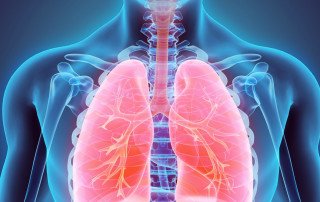
Breathing Techniques and Benefits for Athletes by Subash Mathi
[This is a guest post from Subash Mathi. Subash is a Level-1 Badminton coach and holds a certification with the National Institute of Sports in India. He is currently pursuing a Masters degree in Sports Biomechanics and Kinesiology and participating in Athletic Lab internship program.] The manner in which you breathe has a lot to do with your athletic performance as well as your quality of life. Breathing powerfully affects every system in your body: cardiovascular, nervous, endocrine, lymph, immune, digestive, and of course, respiratory. Breathing properly can decrease stress and muscle tension, calm your nerves, sharpen your focus, minimize negative and distracting thoughts, reduce fatigue, and promote stamina. Unfortunately, proper breathing is often an overlooked component of athletic training.Evidence indicates that adopting a regular, long-term schedule of breathing practice could help improve the body’s ability to manage stress. Researchers have shown how performance anxiety can be split into separate components. The first is a mental, cognitive, component, represented by worry such as, “I am worried that I may not perform as well as I can.” The second component of performance anxiety is self-focused attention represented by: “I am conscious of every movement I make”, and a physiological anxiety component, represented by arousal (fast heart rate) and tension (feeling on edge). The ability to respond positively to anxiety reflects the level of control the athlete feels they have over a given situation, and their own response, “I believe I have the resources to meet this challenge”. This perception of control is important, because it reflects whether athletes see the situation as a threat or a challenge. This might ultimately change the way the athlete performs. The most obvious benefit is the immediate effect upon the [...]