How Exercise Can Help With The Fight Against Parkinson’s Disease by Christian Fortin

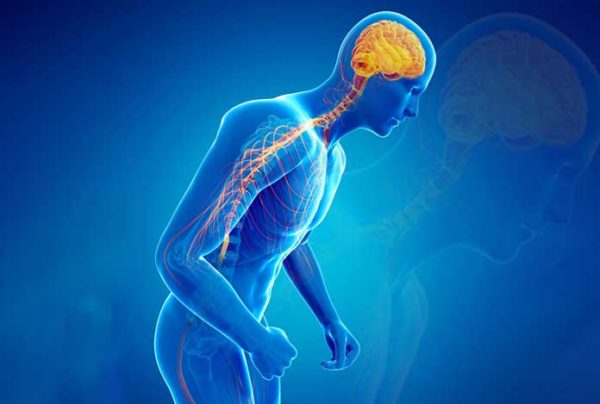
[This is a guest post by Christian Fortin. Christian is passionate about strength and conditioning and enhancing sports performance through evidence-based coaching. He recently completed the Athletic Lab Coaching Mentorship Program.] What is Parkinson's disease? Parkinson's Disease (PD) is a neurological disorder that affects muscle movements and brain function. The part of the brain it attacks is the basal ganglia, which is important for the initiation and control of subconscious, gross body movements. It also plays a key role in regulating the intensity of movement parameters. PD mainly affects the production of dopamine in this region, which leads the brain to struggle with regulating movement. Not only is motor function affected, but it can also affect sleep, digestion, an increase in depression and anxiety, and cognitive issues. There is currently no known cure for Parkinson's, but research has been pointing to physical activity as a great way to slow down the effects of Parkinson's (1). The research One study, conducted in the Parkinson's Environment and Gene study in California, followed 555 PD patients and examined sedentary, moderate, and strenuous exercise. People with Parkinson's who participated in strenuous physical activity exhibited lower C-protein levels. This is important because having higher levels of C-protein can lead to motor deterioration. Another benefit is increased Fc receptor-like 2 (FcRL2) expression, which may regulate B-cell activity and help improve immune function. Participants in the moderate physical activity group also experienced reduced brain inflammation. Meanwhile, sedentary patients had higher levels of inflammation than those in the moderate and strenuous physical activity groups. (7) From this data, we can see that physical activity reduces chronic inflammation in patients with PD. Another study followed 237 patients who had early signs of Parkinson’s disease [...]

By |2026-03-30T16:36:16-04:00February 6th, 2026|Training Info|Comments Off on How Exercise Can Help With The Fight Against Parkinson’s Disease by Christian Fortin

Functional Fitness for Everyday Athletes

Functional fitness has rapidly become one of the most popular trends among everyday athletes, with its focus on enhancing physical capabilities used in real-life situations. Instead of training solely for aesthetics or isolated strength, functional fitness aims to develop strength, power, endurance, mobility, and cognitive abilities to help you move, react, and perform better in daily life and sport.[1][2] What Is Functional Fitness? Functional fitness encompasses exercises and routines that mimic real-world movements, challenging your muscles, nervous system, and mind in more holistic ways than traditional, single-joint workouts. As Athletic Lab emphasizes, effective training takes a dynamic, multilateral approach, weaving together skill, endurance, mobility, strength, and power into a unified system.[2][1] Training should be a dynamic and ever-evolving process... Incorporating skill, endurance, mobility, and realizing how they all interact is essential in producing the best possible performance.[1]  The Science of Functional Training: Andy Galpin’s Approach Dr. Andy Galpin, a leading exercise scientist, advocates for training protocols that build not just muscle size, but also metabolic health, movement efficiency, and resilience. His programs typically combine: Hypertrophy Workouts: For functional muscle growth and injury resistance Grip Strength: Crucial for everything from carrying groceries to athletic performance HIIT and Endurance: Blending high-intensity intervals with long-duration aerobic work for cardiovascular health and mitochondrial efficiency Compound Movements: Squats, lunges, deadlifts, rows, and presses that engage multiple muscle groups for real-life strength Galpin recommends periodized routines, mixing phases of strength, hypertrophy, and endurance rather than focusing on one element all year round. This style not only optimizes muscular development but also helps maintain fast-twitch muscle fibers that are especially important as we age.[3][4] Andrew Huberman: Building a “Foundational Fitness Protocol” Neuroscientist Dr. Andrew Huberman stresses the importance of a “foundational fitness [...]

By |2025-08-19T13:58:05-04:00August 24th, 2025|Training Info|0 Comments

Athletic Lab Performance Fitness Revamp (Part 1)

Athletic Lab is excited to announce a complete revamp of our Performance Fitness class programming. The class schedule will stay the same for now, but we have reworked the structure and delivery of our adult fitness offerings to provide a better training experience for our members. The new programming starts on July 21. Mike Young, Athletic Lab’s Director of Performance, personally designed the new programming. He followed the best practices of training design to ensure a fun, safe, and effective experience. We have taken the best elements from our past 16 years of programming and combined them with the latest knowledge in sports science and training theory. What you can expect Focusing on What Matters Most. Many people have aesthetic fitness goals, and that’s perfectly fine. However, research on adult fitness and longevity shows that aesthetics are a less important byproduct of overall health and performance. Health, fitness, and performance throughout life are sometimes called healthspan. Acclaimed scientist Dr. Peter Attia explains what healthspan is and why it matters for adults. Our new programming emphasizes three key areas that are especially important for adults: Muscle strength Muscle mass Cardiovascular capacity Key Performance Indicators. With our new focus, you will have more regular opportunities to assess what matters most. Performance benchmarking has always been a hallmark of our Performance Fitness membership. Now, we will focus assessments on a select number of key performance indicators (KPIs). We used scientific literature and our database of thousands of past member performances to create age- and gender-graded standards for these KPIs. This standards-based approach helps you stay accountable, set clear goals, and measure your progress. More training, less working out. Working out is good, but training is better. What’s the [...]

By |2025-07-01T10:32:54-04:00July 1st, 2025|News|0 Comments

The Power of Consistency: Unlocking Your Fitness Potential

When it comes to achieving your fitness goals, there's one factor that stands out above all others: consistency. Whether you're aiming to lose weight, build muscle, improve endurance, or simply boost your overall health, showing up regularly and sticking to your routine is the real key to success. In this post, we'll explore why consistency is so important and how it can help you reach your fitness goals. Building Habits and Momentum Consistency breeds habits, and habits are the building blocks of long-term success. When you consistently engage in exercise at the same time each day or week, it becomes ingrained in your routine, much like brushing your teeth or eating breakfast. This habit formation is crucial for maintaining momentum in your fitness journey. Just like pushing a heavy object, it's often the initial effort that requires the most force. According to Psychology Today, once you establish a consistent routine, however, maintaining it becomes easier over time, gradually propelling you closer to your desired outcomes. Progressive Overload and Adaptation Consistency allows you to gradually increase the intensity, duration, or frequency of your workouts over time. As your body adapts to the demands placed upon it, consistent training enables you to progress to more challenging exercises or higher fitness levels. This principle of progressive overload is essential for building strength and endurance. Research supports the idea that consistent exercise, even if not intense, is more beneficial than sporadic but intense workouts when building muscle strength. Mitigating Setbacks and Creating Accountability Inevitably, there will be days when motivation wanes, or life throws unexpected challenges your way. However, a consistent training schedule acts as a buffer against these setbacks. Even on days when you don't feel like working [...]

By |2025-03-29T17:14:01-04:00March 29th, 2025|Training Info|0 Comments

Athletic Lab welcomes Bionic Health for Medicine 3.0 talks

Athletic Lab is excited to welcome Bionic Health to Athletic Lab for a series of short and convenient informational talks. Athletic Lab has always been at the forefront of health, fitness and performance. In an effort to provide holistic and all-encompassing offerings we have partnered with industry leaders like Performance Nutrition, Thorne and more to ensure that our community has everything they need. Bionic Health offers the latest in technology, medical treatments and health programs to extend lifespan and optimize health. Join us for upcoming in-person educational events that will cover: Medicine 3.0. What is it? Shortcomings of traditional medicine Why some live healthier longer First rule of longer life: don't die Preventative & precision medicine We're offering 15 minute educational events before and after some of our most busy training time slots to ensure our members have access to what we feel is vital information. Wednesday July 24 5:45 - 6 pm 6 - 6:15 pm Saturday July 27 10:45 - 11 am 11 - 11:15 am

By |2025-02-19T14:47:29-05:00July 20th, 2024|News|0 Comments

How to make a New Year’s Resolutions you will keep

Happy New Year from Athletic Lab. If you're one of the millions around the world making health, fitness or lifestyle related New Years Resolutions for 2024 know that you're not along. Making a New Year's resolution is a common tradition, but keeping them can be challenging. If you've tried and failed in the past, know that the goal should not be perfection but consistency. To this end, it's important to take small steps towards a conservative and sustainable goal. Don't look at your desired change as a challenge but as something that you're looking to modify for the better for the rest of your life. Here are some tips to help you create and stick to a resolution: Set Realistic Goals: Be realistic about what you can achieve. Setting overly ambitious goals may lead to frustration and discouragement. Be Specific: Clearly define your resolution. Instead of a vague goal like "lose weight," set a specific target like "lose 10 pounds by April." Break it Down: Divide your resolution into smaller, manageable tasks. This makes your goal seem less daunting and more achievable. Create a Plan: Develop a step-by-step plan to achieve your resolution. Outline the actions you need to take and set deadlines for each step. Make it Measurable: Use metrics to track your progress. If your resolution is to exercise more, set a specific number of days per week or minutes per day. One of the reasons we use assessments, testing and bench marks so regularly at Athletic Lab is to ensure that you can SEE your progress. Hold Yourself Accountable: Share your resolution with friends or family who can provide support and encouragement. You're more likely to stay committed if others are aware [...]

By |2024-05-27T09:56:13-04:00January 1st, 2024|Nutrition Info, Training Info|0 Comments

Blood Testing for Optimal Health and Performance

In the pursuit of optimal health and peak athletic performance, many factors come into play, such as training, nutrition, and recovery. However, one often overlooked tool in this quest is blood testing. Regular blood testing is not only crucial for monitoring and maintaining overall health, but it can also be a game-changer when it comes to maximizing athletic performance. Evidence-based wellness has become an emerging industry due to its evidence from clinical and research data.  For this reason, Athletic Lab is a longstanding partner with InsideTracker - the industry leader in providing actionable and individualized information on how to improve your health span and performance based on your own blood. In this blog post, we will explore the pivotal role of blood testing for health and athletic performance. Blood Testing: The Window to Your Health Baseline Health Assessment: Blood testing provides a window into your internal health. It helps in establishing a baseline for various biomarkers, including cholesterol levels, glucose levels, and liver function. This baseline helps identify potential issues before they become serious health problems. Early Disease Detection: Regular blood tests can detect the early signs of various diseases, including diabetes, heart disease, and certain cancers. Detecting these conditions at an early stage allows for more effective treatment and better long-term outcomes. Nutritional Status: Blood tests can reveal essential information about your nutritional status. For instance, they can highlight vitamin and mineral deficiencies, which, when addressed, can lead to improved energy levels and overall well-being. Blood Testing for Performance Enhancement Optimizing Nutrient Levels: Blood testing can pinpoint nutrient deficiencies, such as iron, vitamin D, or magnesium, which are vital for athletic performance. Addressing these deficiencies can result in increased energy, endurance, and strength. [...]

By |2023-11-09T08:51:11-05:00November 10th, 2023|Nutrition Info, Training Info|0 Comments

Beatriz Fernandes provides Menstrual Cycle Based Training lecture for Turkish Coaches

Athletic Lab's Beatriz Fernandes, MS recently provided a streaming lecture for Turkish strength and conditioning coaches. The title of the lecture was Menstrual Cycle based Training - Theory and Practicality. The streaming lecture was hosted by Quadroathletics and Medikurs. The Turkish companies hosted an Athletic Lab Coaching Academy CHPC Level 1 course in 2019 and was slated to host multiple Academy courses in 2021 that were ultimately delayed due to COVID-19. Beatriz discussed the the impact of the menstrual cycle on training and recovery and provided a practical applications on how to implement these considerations. Fernandes previously spoke to the group earlier in 2021. The Athletic Lab Coaching Academy has a scheduled CHPC Level 2 course hosted by Quadroathletics in Instanbul later in 2021. If you are interested in having Dr. Young and any other Athletic Lab staff lecture or provide a private workshop for your organization please contact us for details.

By |2021-12-05T10:40:15-05:00December 6th, 2021|News|0 Comments

Member of the Month: Augustus Adams

Athletic Lab is one of the premier performance centers in the country. We are trusted by professional and elite athletes as well as fitness enthusiasts looking to get in the best shape of their lives. One of our greatest strengths is our vibrant and diverse community. The common thread across all our members is that they are hard-working and goal-oriented. Each month we highlight one or more of our members in our member of the month feature. For the month of March, we've selected Augustus Adams. Augustus is a long time private training member who has made an incredible commitment to fitness and has shown tremendous progress. You can read about our previous members of the month here. ____________ Name: Augustus J. Adams Age: 15 What city were you born in Indianapolis, Indiana What is your favorite activity Hanging with friends! :) How long have you been training at Athletic Lab Since 2019 What is your favorite and least favorite exercise I love lifting weight and not a fan of running What do you feel have been your greatest accomplishments while training at Athletic Lab Gaining self-confidence What motivates you to train Feel energetic and fabulous throughout the week!

By |2021-03-28T21:29:38-04:00March 25th, 2021|News|0 Comments

Part III: Menstrual Cycle Implications on Training Periodization and Performance by Beatriz Fernandes

[This is a guest post by Beatriz Fernandes. Beatriz received her BS in Exercise Science, MS in Management and is currently participating in the Athletic Lab Internship Program. Beatriz has experience coaching at a variety of levels in the US and over in Europe and holds certifications with US Soccer.] As I briefly explained in my previous blog posts (part 1, part 2), women not only have a different anatomy, but also a unique physiology. The hormonal changes that control the menstrual cycle and the ovaries? ability to produce an egg might also, consequently, affect the ability of the muscles, mind, and even mood to perform and recover depending on the hormonal phase the athlete will be in. Considering these recent findings, researchers and sports scientists have suggested putting all research data side-by-side and proposed matching the Menstrual Cycle Phase with a training priority considering the hormonal levels and their impact in training performance. In order to combine all of this information, first and foremost, the athlete would need to track her period for at least three months. This would not only allow the athlete to know when the first day of the menstrual cycle would be, but also, predict all the other phases that, as mentioned on the previous post, will behave differently between them. This tracking can be done through direct methods such as blood, urine, saliva, ultrasounds, and endometrial biopsies. Indirect methods like marking the days on the calendar and adding symptoms when relevant, which begin before the period, are less invasive and cheaper. Phone apps like FitrWoman or Clue are also useful tools that can be used as an indirect method. For athletes who use hormonal contraceptives, basal temperature tests can [...]

By |2020-10-27T18:42:37-04:00October 27th, 2020|Training Info|1 Comment
Go to Top