Fitness Strategies for Every Decade

Staying fit isn’t just about looking good—it’s about maintaining health, strength, and quality of life at every stage. As we age, our bodies and priorities change, and so should our fitness routines. Here’s an evidence-based guide to tailoring your training by decade to feel your best, perform well, and support healthy aging. Your 20s: Build the Habit, Push Your Limits During your 20s you should focus on establishing consistent routines and maximizing overall physical capacity. Early adulthood is your peak for muscle growth, bone density, and recovery. To do this develop strength with heavy, compound movements and build your cardio with intervals. Suggested Strategies Lift heavy with compound movements (deadlifts, squats, presses) to build a lean, strong physique. Cardio: HIIT, running, cycling—challenge your heart and lungs. Flexibility & Mobility: Yoga, dynamic stretching, and mobility drills prevent future aches. Sample different sports and activities to develop well-rounded fitness and avoid burnout. If you make exercise a non-negotiable habit in your 20s your body will thank you for decades! Your 30s: Maintain Muscle, Balance Life Physical capacity will begin to decline in your mid 20s if you aren't active. In your 30s and beyond, you need to actively counter gradual muscle loss, manage time, and prevent injury. Muscle mass starts to decline in the late 20s and early 30s, so the stakes rise for regular training. Suggested Strategies Strength train at least twice per week; focus on maintaining muscle and bone health. Cardio: 150min+ per week (moderate to vigorous). If you have a job or lifestyle that has you inactive much of the time get up and move about. Movement is medicine.  Consider using wearable tech or apps to track progress and stay motivated. Tip: Consistency trumps [...]

By |2025-08-13T13:35:43-04:00August 19th, 2025|News|0 Comments

Athletic Lab Performance Fitness Revamp: FAQs (Part 3)

Get ready for a new era of Performance Fitness at Athletic Lab! Starting July 21, we’re launching a refreshed class structure and delivery method for our adult fitness programs. While our class schedule remains unchanged, you’ll experience a more engaging, effective, and varied approach designed to elevate your results and enhance your experience. To learn more about the updates, check out the first two posts (1 & 2) in our blog series. Here, we’re answering your most common questions about what’s changing and what to expect: Program Wide Changes The changes we've made are limited to programming and assessments. The overall membership and schedule will remain the same for the foreseeable future. Will the schedule change? No. We have no plans to change our current schedule of classes. All class types within the Performance Fitness membership will occur at the same frequency and on our existing schedule. Will pricing change? No. All membership pricing remains the same for the foreseeable future. Do I need to do anything different? Nope. Just show up. As always, consistency is key to your success. You keep showing up and we'll take care of the rest. Why are you making changes? We wanted to design an program that would balance consistency with variety. Specifically, we wanted to ensure that the qualities that benefit from repeated planned and progressive exposures (like strength and skill) were given the consistency to progress. And in those physical qualities where variety is not only more permissible but advantageous (like in metabolic conditioning) we wanted to make sure it was present in a way that was safe and challenging. Where can I find the workouts? All Performance Fitness members will have access to the daily [...]

By |2025-07-14T08:29:01-04:00July 14th, 2025|News|0 Comments

Athletic Lab Performance Fitness Revamp: Fitness Standards (Part 2)

Athletic Lab is thrilled to announce a comprehensive overhaul of our Performance Fitness class programming. While our class schedule remains unchanged, we are introducing a new structure and delivery method for our adult fitness classes to deliver an enhanced training experience for every member. The updated programming launches on July 21. Prioritizing Healthspan in Fitness Training A core feature of our new approach is a targeted focus on the key performance indicators (KPIs) that drive healthspan. Healthspan refers to the period of life spent in good health and optimal physical function. Leading neuroscientist Andrew Huberman emphasizes that healthspan is not just about longevity, but about maximizing quality of life and physical capability as we age. Our revamped Performance Fitness membership is designed to improve and assess the most critical components of healthspan, including: Muscle strength Muscle mass Cardiovascular capacity Measuring Progress: Track What Matters By identifying the most important KPIs for health and performance, our programming enables you to focus your training where it counts. We believe that “you can’t improve what you don’t track,” so we are increasing opportunities for members to monitor their progress through regular check-ins. This does not mean every session is a test or competition. In fact, we are reducing the frequency of tracked or competition-style workouts. Instead, our emphasis is on a select group of KPIs that are proven indicators of health and performance. Introducing the Athletic Lab Adult Fitness Standards Drawing from exercise science research, military and civil service fitness standards, and our extensive database of performance benchmarks, we have developed the Athletic Lab Adult Fitness Standards. These standards allow both members and non-members to benchmark their fitness across gender, age, and experience levels. Our fitness standards serve as a valuable resource for: [...]

By |2025-07-01T11:45:34-04:00July 8th, 2025|News|0 Comments

Athletic Lab Performance Fitness Revamp (Part 1)

Athletic Lab is excited to announce a complete revamp of our Performance Fitness class programming. The class schedule will stay the same for now, but we have reworked the structure and delivery of our adult fitness offerings to provide a better training experience for our members. The new programming starts on July 21. Mike Young, Athletic Lab’s Director of Performance, personally designed the new programming. He followed the best practices of training design to ensure a fun, safe, and effective experience. We have taken the best elements from our past 16 years of programming and combined them with the latest knowledge in sports science and training theory. What you can expect Focusing on What Matters Most. Many people have aesthetic fitness goals, and that’s perfectly fine. However, research on adult fitness and longevity shows that aesthetics are a less important byproduct of overall health and performance. Health, fitness, and performance throughout life are sometimes called healthspan. Acclaimed scientist Dr. Peter Attia explains what healthspan is and why it matters for adults. Our new programming emphasizes three key areas that are especially important for adults: Muscle strength Muscle mass Cardiovascular capacity Key Performance Indicators. With our new focus, you will have more regular opportunities to assess what matters most. Performance benchmarking has always been a hallmark of our Performance Fitness membership. Now, we will focus assessments on a select number of key performance indicators (KPIs). We used scientific literature and our database of thousands of past member performances to create age- and gender-graded standards for these KPIs. This standards-based approach helps you stay accountable, set clear goals, and measure your progress. More training, less working out. Working out is good, but training is better. What’s the [...]

By |2025-07-01T10:32:54-04:00July 1st, 2025|News|0 Comments

Strength Training: The Key to a Longer, Healthier Life

In recent years, scientific research has increasingly highlighted the crucial role of strength training in promoting longevity and enhancing healthspan. While aerobic exercise has long been touted for its cardiovascular benefits, mounting evidence suggests that incorporating resistance training into your fitness routine can significantly impact your overall health and lifespan. The Longevity Boost A comprehensive meta-analysis published in the British Journal of Sports Medicine revealed striking results regarding the impact of strength training on mortality risk. The study found that individuals who engaged in weight lifting had a 9% to 22% lower risk of dying during the follow-up period compared to those who did not participate in strength training [1]. Even more impressive, those who combined strength training with moderate to vigorous aerobic exercise experienced a 41% to 47% lower risk of mortality during the study period [1]. Optimal Duration for Maximum Benefits Interestingly, research indicates that you don't need to spend hours in the gym to reap the longevity benefits of strength training. A study published in JAMA Network Open found that just 30 to 60 minutes of strength training per week was associated with a 10% to 20% lower risk of premature death from all causes, including cancer and heart disease [4]. This suggests that even modest amounts of resistance training can have significant impacts on overall health and lifespan. Healthspan Improvements Beyond extending life, strength training contributes substantially to healthspan - the period of life spent in good health. Here are some key benefits: Muscle Mass Preservation: Strength training is crucial in combating sarcopenia, the age-related loss of muscle mass and strength. Regular resistance exercise can significantly delay or even prevent this condition, which affects over 10% of the population over 60 [...]

By |2025-02-19T14:45:15-05:00January 24th, 2025|Training Info|1 Comment

11 Benefits of Training for Functional Hypertrophy Training

Resistance training is well-established as the single best means of maintaining muscle mass. Muscle hypertrophy training, or doing resistance training that develops your muscles, is something that will benefit anyone who wants to live a long, healthy, and productive life. But ideally, we don't just want muscles that LOOK strong...we want muscles that LOOK strong and ARE strong. This is where Functional hypertrophy comes into play. Functional hypertrophy refers to muscle growth that enhances not only the size of the muscles but also their strength, power, and overall functionality. Unlike traditional hypertrophy, which focuses on increasing muscle size primarily for aesthetics, functional hypertrophy aims to improve the muscles' ability to perform specific physical tasks. Benefits of Functional Hypertrophy Improved Strength and Power: Functional hypertrophy training typically involves compound exercises that engage multiple muscle groups. This leads to improved strength and power, which is beneficial for both athletic performance and everyday activities. Enhanced Athletic Performance: By focusing on movements that mimic sports or functional activities, this type of hypertrophy training can improve athletic performance. It helps in developing muscles that are not just bigger but also more capable of generating force, speed, and endurance. Better Joint Stability: Functional hypertrophy often includes exercises that challenge balance and stability, leading to stronger supporting muscles around the joints. This can reduce the risk of injuries, particularly in sports or activities that involve dynamic movements. Increased Metabolic Rate: Muscle tissue is metabolically active, meaning that having more muscle mass can increase your resting metabolic rate (RMR). Functional hypertrophy can lead to greater muscle mass while improving metabolic health, aiding in weight management. Improved Movement Efficiency: Training for functional hypertrophy usually involves movement patterns that are relevant to real-life activities. This can [...]

By |2024-08-12T14:58:09-04:00August 12th, 2024|Training Info|0 Comments

Athletic Lab welcomes Bionic Health for Medicine 3.0 talks

Athletic Lab is excited to welcome Bionic Health to Athletic Lab for a series of short and convenient informational talks. Athletic Lab has always been at the forefront of health, fitness and performance. In an effort to provide holistic and all-encompassing offerings we have partnered with industry leaders like Performance Nutrition, Thorne and more to ensure that our community has everything they need. Bionic Health offers the latest in technology, medical treatments and health programs to extend lifespan and optimize health. Join us for upcoming in-person educational events that will cover: Medicine 3.0. What is it? Shortcomings of traditional medicine Why some live healthier longer First rule of longer life: don't die Preventative & precision medicine We're offering 15 minute educational events before and after some of our most busy training time slots to ensure our members have access to what we feel is vital information. Wednesday July 24 5:45 - 6 pm 6 - 6:15 pm Saturday July 27 10:45 - 11 am 11 - 11:15 am

By |2025-02-19T14:47:29-05:00July 20th, 2024|News|0 Comments

How Posture Impacts your Progress in the Gym by Renee Perkins

[This is a guest blog by Renee Perkins. Renee is enrolled at App State University and is currently taking part in the Athletic Lab Coaching Mentorship program.] Back pain affects 60-70% of people in their lifetime (Burton, 2005). The majority will experience this discomfort impacting mood and capacity to focus during daily activities. The cause of this back pain can stem from multiple root issues. That said, a key component to a healthy, pain free back is keeping it in good postural alignment. “Exercise can lessen the behavioral, cognitive and disability aspects of back pain syndromes” (Rainville, 2004). This research indicates it helps lower the intensity of back pain from 10% to 50% (Rainville, 2004). If prescribed appropriately, exercise can be the cure. But performed in an improper fashion it can add to the negative stress on the back. It is important to maintain ideal posture during exercises when the body is placed under a heavy load and excessive physiological stress. Prioritizing posture will help ensure the intended muscles are being worked to achieve the desired benefits and avoid injury (Hlavenka, 2017). The Link between Posture and Pain Posture is the way one's body is positioned statically or dynamically throughout the neck and spine. Posture is a part of form, but form is going to be more specific to each movement and focus on the extremities. Good posture can be simply defined as the alignment and ability of one to maintain a neutral neck and spine position (Harvard Health, 2014). The spine has a natural curve to it, the first thoracic vertebra is the most anteriorly tilted vertebrae while the first lumbar vertebrae is the most posteriorly tilted (Lafage, 2020). These tilts appear as a [...]

By |2024-08-14T08:50:46-04:00November 30th, 2023|Training Info|0 Comments

Blood Testing for Optimal Health and Performance

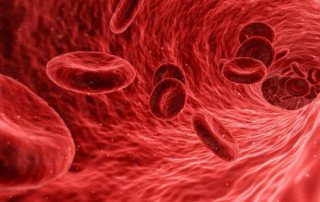
In the pursuit of optimal health and peak athletic performance, many factors come into play, such as training, nutrition, and recovery. However, one often overlooked tool in this quest is blood testing. Regular blood testing is not only crucial for monitoring and maintaining overall health, but it can also be a game-changer when it comes to maximizing athletic performance. Evidence-based wellness has become an emerging industry due to its evidence from clinical and research data.  For this reason, Athletic Lab is a longstanding partner with InsideTracker - the industry leader in providing actionable and individualized information on how to improve your health span and performance based on your own blood. In this blog post, we will explore the pivotal role of blood testing for health and athletic performance. Blood Testing: The Window to Your Health Baseline Health Assessment: Blood testing provides a window into your internal health. It helps in establishing a baseline for various biomarkers, including cholesterol levels, glucose levels, and liver function. This baseline helps identify potential issues before they become serious health problems. Early Disease Detection: Regular blood tests can detect the early signs of various diseases, including diabetes, heart disease, and certain cancers. Detecting these conditions at an early stage allows for more effective treatment and better long-term outcomes. Nutritional Status: Blood tests can reveal essential information about your nutritional status. For instance, they can highlight vitamin and mineral deficiencies, which, when addressed, can lead to improved energy levels and overall well-being. Blood Testing for Performance Enhancement Optimizing Nutrient Levels: Blood testing can pinpoint nutrient deficiencies, such as iron, vitamin D, or magnesium, which are vital for athletic performance. Addressing these deficiencies can result in increased energy, endurance, and strength. [...]

By |2023-11-09T08:51:11-05:00November 10th, 2023|Nutrition Info, Training Info|0 Comments

Part III: Menstrual Cycle Implications on Training Periodization and Performance by Beatriz Fernandes

[This is a guest post by Beatriz Fernandes. Beatriz received her BS in Exercise Science, MS in Management and is currently participating in the Athletic Lab Internship Program. Beatriz has experience coaching at a variety of levels in the US and over in Europe and holds certifications with US Soccer.] As I briefly explained in my previous blog posts (part 1, part 2), women not only have a different anatomy, but also a unique physiology. The hormonal changes that control the menstrual cycle and the ovaries? ability to produce an egg might also, consequently, affect the ability of the muscles, mind, and even mood to perform and recover depending on the hormonal phase the athlete will be in. Considering these recent findings, researchers and sports scientists have suggested putting all research data side-by-side and proposed matching the Menstrual Cycle Phase with a training priority considering the hormonal levels and their impact in training performance. In order to combine all of this information, first and foremost, the athlete would need to track her period for at least three months. This would not only allow the athlete to know when the first day of the menstrual cycle would be, but also, predict all the other phases that, as mentioned on the previous post, will behave differently between them. This tracking can be done through direct methods such as blood, urine, saliva, ultrasounds, and endometrial biopsies. Indirect methods like marking the days on the calendar and adding symptoms when relevant, which begin before the period, are less invasive and cheaper. Phone apps like FitrWoman or Clue are also useful tools that can be used as an indirect method. For athletes who use hormonal contraceptives, basal temperature tests can [...]

By |2020-10-27T18:42:37-04:00October 27th, 2020|Training Info|1 Comment
Go to Top