Nutrition and Hydration Hacks for Peak Performance

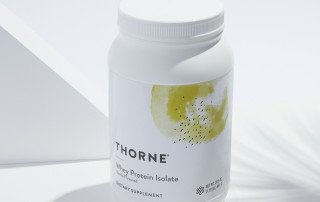
Achieving peak athletic performance isn’t just about training hard—what you eat and drink plays a crucial role in powering your body and optimizing recovery. Recent meta-analyses and systematic reviews provide a strong evidence base for practical strategies that athletes and fitness enthusiasts can use. 1. The Power of Protein—Especially With Carbohydrates A comprehensive meta-analysis of 28 randomized controlled trials explored whether increased protein intake boosts athletic performance. While overall protein supplementation did not show a statistically significant benefit for athletic performance as a whole, subgroup analysis paints a clearer picture: combining protein with carbohydrates notably improved endurance performance and muscle glycogen levels. This means that while simply upping your protein alone may not move the needle, pairing it strategically with carbs—especially pre- or post-workout—can help fuel endurance and speed recovery. Athletic Lab trusts Thorne for all our supplementation needs. Hack: For endurance athletes, consume a combination of protein and carbohydrates after workouts (e.g., a recovery shake with both whey protein and oats). 2. Dietary Supplements: Carbs, Electrolytes, and Caffeine A recent network meta-analysis involving 1,425 athletes compared the effects of 31 different dietary supplements. Results highlighted that carbohydrate + protein and carbohydrate + electrolyte drinks were associated with very large improvements in distance covered and reduced perceived exertion during exercise. Caffeine, creatine, and melatonin also provided targeted benefits, such as increased jump height, reduced sprint times, and improved agility. Hack: For high-intensity or competitive sports, a sports drink containing both carbs and electrolytes, possibly with caffeine, can delay fatigue and enhance performance. 3. Hydration—The Underrated Performance Booster Even mild dehydration can have a significant physiological impact. A systematic review and meta-analysis confirmed that dehydration impairs muscle strength by around 5.5% and anaerobic power by nearly [...]


By |2025-08-18T18:22:31-04:00August 20th, 2025|Nutrition Info|0 Comments

Healthy Holiday Eating Tips

The holidays are upon us! And with that comes plenty of opportunities to eat great, and often really unhealthy, food. More than that, we often eat far more than we probably should.  A typical holiday dinner alone can be over 4,000 calories! It's no wonder, people tend to put on unwanted weight during the holidays. Eating healthily during the holidays can be a challenge, but it's certainly possible with some thoughtful planning. Here are some tips for enjoying a healthy holiday meal: Balance Your Plate Fill half your plate with vegetables, aiming for a variety of colors. Vegetables are rich in vitamins, minerals, and fiber. Vegetables are an important part of a healthy diet. We'd suggest reserving a quarter of your plate for lean proteins like turkey, chicken, fish, or plant-based alternatives. Use the remaining quarter for whole grains or starchy vegetables like sweet potatoes. Mindful Eating Eat slowly and savor each bite. This gives your body time to recognize that it's full, helping to prevent overeating. Put your fork down between bites and engage in conversation. It can take up to 20 minutes to feel full and sated AFTER you're actually full. By slowing down, this can help you become more aware of your hunger and fullness cues. Watch Portions Be mindful of portion sizes. Use smaller plates to help control portions and prevent overeating. Consider serving dishes family-style rather than placing them on the table. This makes it easier to control portion sizes and helps prevent mindless eating. Healthy Cooking Methods Choose healthier cooking methods like baking, roasting, grilling, or steaming instead of frying. Limit the use of added fats and oils. Opt for healthier fats like olive oil and use them in [...]

By |2024-05-27T09:56:20-04:00December 23rd, 2023|Nutrition Info|0 Comments

A Comprehensive Guide to Protein Requirements for Resistance Trained Athletes

In the realm of fitness and athleticism, one of the most debated topics is the optimal amount of protein intake for resistance-trained athletes. Whether you're a bodybuilder sculpting your physique or a weightlifter chasing new personal records, understanding your protein needs is essential for maximizing muscle growth, recovery, and overall performance. In this post, we'll delve into the science behind protein consumption, dispel common myths, and provide practical recommendations tailored to the unique demands of resistance training. The Basics of Protein and Muscle Growth Protein is an indispensable macronutrient that plays a crucial role in building and repairing tissues, including the skeletal muscles that are central to resistance training. When you engage in activities like weightlifting, your muscles undergo stress and damage at a microscopic level. Adequate protein intake is necessary to facilitate the repair and synthesis of new muscle proteins, promoting hypertrophy or muscle growth. The Recommended Daily Allowance (RDA) for protein set by health authorities is 0.8 grams per kilogram of body weight. However, resistance-trained athletes have significantly higher demands due to the increased wear and tear on their muscles. The focus shifts from merely meeting basic bodily needs to optimizing protein intake for enhanced athletic performance and recovery. Protein Needs for Resistance-Trained Athletes The optimal protein intake for resistance-trained athletes is a multifaceted subject influenced by various factors, including training intensity, frequency, type, and individual differences in metabolism and body composition. Research suggests a broad range of protein intake for athletes, and it's crucial to tailor recommendations to specific goals. Muscle Maintenance and General Fitness: 1.2-1.6 g/kg For individuals engaging in moderate resistance training to maintain general fitness, a protein intake ranging from 1.2 to 1.6 grams per kilogram of body weight [...]

By |2023-12-02T16:47:24-05:00December 4th, 2023|Nutrition Info|0 Comments

2023 Athletic Lab Black Friday Deals

Athletic Lab is excited to announce Black Friday specials for the remainder of November or until supplies run out. Don't wait. Take advantage of these incredible deals while they last. 50% Off Scholastic Sports Performance Training Packages Through the end of the month, Athletic Lab is offering 50% off special 3 and 6 month unlimited packages to our Scholastic Sports Performance Training. Our Scholastic program offers group training in a team setting environment. Each 60 minute session addresses speed, strength and conditioning. Special restrictions apply. This promotion is for the Scholastic Sports Performance program only and does not apply to Scholastic Prep, Performance Fitness or any other membership options. Please click on the membership options for more info and to sign up. 3 Month "Unlimited" Package (39 sessions / 3 month expiration) - $312 (normally $624) 6 Month "Unlimited" Package (78 sessions / 6 month expiration) - $624 (normally $1,248) 60% Off InsideTracker Analysis Athletic Lab has been partnered with InsideTracker since 2021 to provide revolutionary blood analytics to our members. This platform provides ultra-personalized and science-driven recommendations on: Nutrition Supplementation Exercise Lifestyle changes While they last, Athletic Lab is selling InsideTracker Bundles for $474.95 (60% off). Each bundle includes the Ultimate Package + Inner Age 2.0 + a free blood draw. The Ultimate Package looks at up to 48 markers to provide a comprehensive insight into your physiological data. This gives you the deepest understanding of your body’s health across 10 healthspan categories. Inner Age 2.0 lets you see how your biomarkers impact your biological age – and discover how to add healthy years to your life. You can pre-purchase these packages through Athletic Lab while supplies last. Alternatively, you can use code [...]

By |2023-11-27T04:46:20-05:00November 21st, 2023|News|0 Comments

Blood Testing for Optimal Health and Performance

In the pursuit of optimal health and peak athletic performance, many factors come into play, such as training, nutrition, and recovery. However, one often overlooked tool in this quest is blood testing. Regular blood testing is not only crucial for monitoring and maintaining overall health, but it can also be a game-changer when it comes to maximizing athletic performance. Evidence-based wellness has become an emerging industry due to its evidence from clinical and research data.  For this reason, Athletic Lab is a longstanding partner with InsideTracker - the industry leader in providing actionable and individualized information on how to improve your health span and performance based on your own blood. In this blog post, we will explore the pivotal role of blood testing for health and athletic performance. Blood Testing: The Window to Your Health Baseline Health Assessment: Blood testing provides a window into your internal health. It helps in establishing a baseline for various biomarkers, including cholesterol levels, glucose levels, and liver function. This baseline helps identify potential issues before they become serious health problems. Early Disease Detection: Regular blood tests can detect the early signs of various diseases, including diabetes, heart disease, and certain cancers. Detecting these conditions at an early stage allows for more effective treatment and better long-term outcomes. Nutritional Status: Blood tests can reveal essential information about your nutritional status. For instance, they can highlight vitamin and mineral deficiencies, which, when addressed, can lead to improved energy levels and overall well-being. Blood Testing for Performance Enhancement Optimizing Nutrient Levels: Blood testing can pinpoint nutrient deficiencies, such as iron, vitamin D, or magnesium, which are vital for athletic performance. Addressing these deficiencies can result in increased energy, endurance, and strength. [...]

By |2023-11-09T08:51:11-05:00November 10th, 2023|Nutrition Info, Training Info|0 Comments

A Comprehensive Comparison of Whey, Casein, and Soy Protein

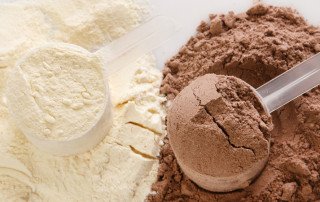
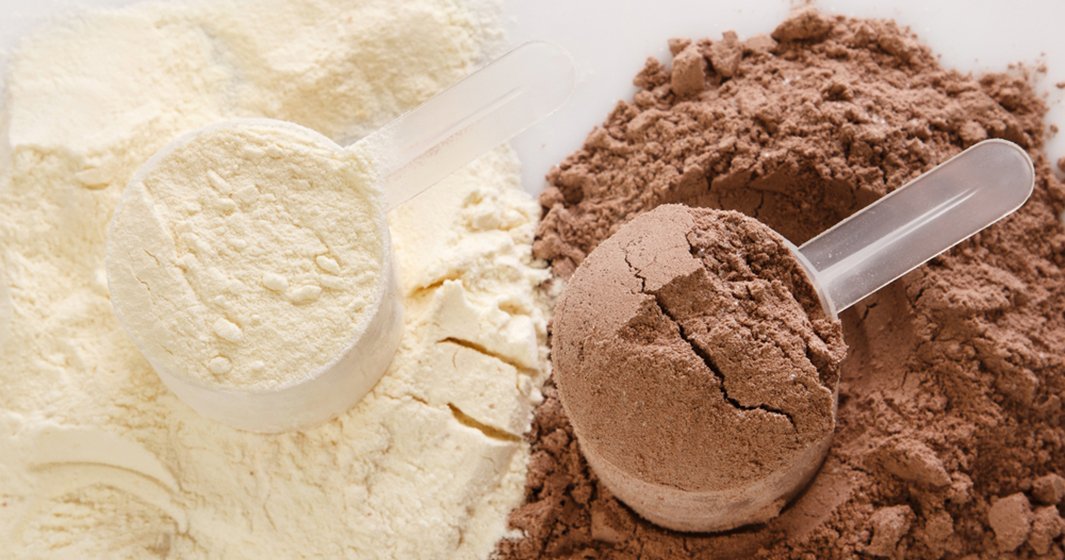
Protein is an essential nutrient that plays a vital role in maintaining and repairing the body's tissues, making it an integral part of a balanced diet. It is especially important for strength training athletes. Three popular protein sources—whey, casein, and soy—offer unique benefits and cons. In this blog post, we'll explore the pros and cons of each protein type, backed by scientific research, to help you make an informed choice. Athletic Lab has partnered with Thorne - the industry leading sports and health supplement company. You can find these and many other health and performance supplements in our Thorne dispensary where Athletic Lab's Mike Young has hand selected his most recommended products.  Athletic Lab members are eligible for significantly discounted prices by contacting us to set up their personal access code. Now let's take a look at the three most popular forms of protein supplements. Whey Protein Whey protein is derived from milk and is a complete protein source, meaning it contains all essential amino acids. Benefits of Whey Protein: Rapid Absorption: Whey protein is known for its rapid digestion and absorption. A study published in the International Journal of Sport Nutrition and Exercise Metabolism showed that whey protein leads to a significant increase in plasma amino acids, making it ideal for post-workout recovery. High in BCAAs: Whey protein is rich in branched-chain amino acids (BCAAs), especially leucine. Research published in the Journal of Nutrition suggests that whey protein supplementation enhances muscle protein synthesis. Weight Management: Some studies indicate that whey protein can aid in weight management. Whey promotes satiety and increased thermogenesis which potentially aid in fat loss. Cons of Whey Protein: Lactose Content: Whey protein contains lactose, which can be problematic for individuals with [...]

By |2024-08-14T08:34:59-04:00October 23rd, 2023|Nutrition Info|0 Comments

Athletic Lab partners with Thorne Nutrition

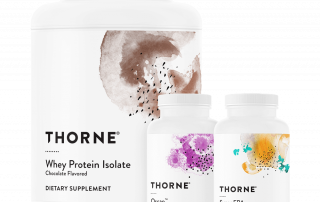
Athletic Lab is proud to partner with Thorne. Thorne is the industry leader in performance and wellness supplements. The company is trusted by some of the largest and most reputable organizations in the world including the Mayo Clinic and UFC. Over 100 professional sports teams and U.S. National Teams including USA Triathlon, US Rowing, US Rugby, US Fencing and many more use Thorne's testing and premium supplements. Thorne provides a wide range of supplements for both wellness and performance. I trust Thorne because I know they are the industry leaders in quality and accuracy. In an industry that is known for being unregulated and full of sellers of ineffective and potentially dangerous sham supplements, I know that Thorne products will always be of the highest level of purity and accuracy. - Mike Young, PhD - Athletic Lab Director of Performance Athletic Lab will carry a limited stock of selected supplements at Athletic Lab available for a 25% discount below suggested retail pricing. Additionally, members can request special access to the Thorne online store providing a 25% discount off ALL Thorne products. Non-members are encouraged to visit Athletic Lab's Thorne store for recommended supplements to support your health, wellness and  performance.

By |2022-11-21T15:32:30-05:00November 21st, 2022|News, Nutrition Info|0 Comments

Evidence-based Fundamentals of Sports Nutrition by Chase Overpeck

[This is a guest post by Chase Overpeck. Chase is a senior at the University of North Carolina at Chapel Hill and undergraduate researcher in the Exercise Oncology Research Lab. He holds a USA Weightlifting L-1 and is a certified sports nutritionist through the ISSN. He is currently taking part in the Athletic Lab Coaching Mentorship Program. Chase enjoys competing in weightlifting and coaching baseball in his free time.] All too often, individuals change their habits to become more fit by beginning a new exercise program, but fail to realize or be informed about the nutritional implications of their lifestyle. Imagine buying a new car that requires premium grade gasoline. Filling the vehicle with lower quality fuel than recommended will increase the chances that your engine becomes damaged. This analogy holds true for any level of athlete; insufficient nutrition can inhibit performance and recovery while elevating injury risk (Ray & Fowler 2004). In this blog, we will discuss the role of macronutrients, nutrient timing, and the development of weight-related goals. Additionally, we aim to simplify the process of calculating specific values such as basal metabolic rate (BMR) and activity adjusted energy expenditure as well as provide rationale when developing a meal plan so that you can easily implement this model for yourself and/or clients. DISCLAIMER: The contents of this article should only be applied to athletic populations. Members of clinical populations may need considerations outside the scope of this discussion and should consult a professional that understands these differences. MACRONUTRIENT BASICS CARBOHYDRATE Carbohydrates serve as the human body’s primary source of energy and are categorized based on molecular complexity. For example, glucose, often referred to as blood sugar in the human body, is a simple [...]

By |2022-07-26T16:47:44-04:00July 26th, 2022|Nutrition Info|0 Comments

Does Caffeine help your sports performance? by Jarod Connell

[Jarod Connell graduated from NC State University with a degree in Human Biology and a minor in Sports Science. He is certified as a NASM-CPT and is taking part in the Athletic Lab Coaching Mentorship program.] Caffeine has long been used as an ergogenic aid in sports. How much do we really know about it or how much it helps us? Caffeine has been used in sports since the early 1900s due to its perceived ability to stimulate muscle and overcome mental fatigue (17). However, it wasn’t until the 1940s that notable research began to appear (17). In this blog, we’ll explore what caffeine does within our bodies and how it impacts sports performance. What does caffeine do in our body? Caffeine is shown to inhibit adenosine receptors and mostly targets the A1 and A2 adenosine receptors. This leads to increases in pain suppression, firing rates of motor units, and neurotransmitter release (1). Adenosine is shown to decrease some Central Nervous System (CNS) neurotransmitters, including dopamine, serotonin, acetylcholine, glutamate, and norepinephrine. This means adenosine slows down our neural activity and makes us sleepy (22). Because caffeine’s chemical structure resembles adenosine it inhibits adenosine from binding and binds to the receptors itself, increasing the concentration of these neurotransmitters, and thereby actually increasing neural activity and alertness (1). Caffeine was previously believed to increase lipolysis, the breakdown of fats for energy, saving our muscle glycogen from being used, and release of calcium from our intracellular stores. However, a study in 2010 by Davis and Green reported that a standard dose of caffeine doesn’t indicate that these mechanisms play a large role (14). This lines up with what was found in the Institute of Medicine article which reports [...]

By |2023-04-12T09:11:38-04:00July 13th, 2022|Nutrition Info|0 Comments

Athletic Lab partners with Inside Tracker

Athletic Lab is proud to announce a partnership with InsideTracker. InsideTracker is a revolutionary blood analytics platform that offers ultra-personalized and science-driven recommendations on: Nutrition Supplementation Exercise Lifestyle changes Whether you are looking to increase your fitness or improve your overall health, InsideTracker has a solution for you.  Athletic Lab members will have discounted access to this valuable tool.

By |2024-08-14T08:41:11-04:00November 2nd, 2021|News, Nutrition Info|0 Comments
Go to Top