Why Physical Therapy Matters After ACL Injury

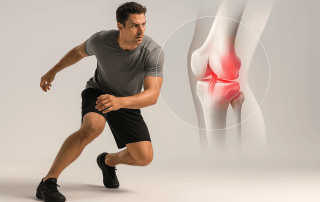
Physical therapy before and after ACL injury strongly influences pain, function, and return‑to‑sport rates. There is growing evidence that high‑quality, longer‑duration rehab and neuromuscular training reduce reinjury risk and improve long‑term outcomes. Pairing expert surgical care with evidence‑based physical therapy is one of the biggest determinants of whether they get back to the field and stay there.[1][2][3][4][5] Why Physical Therapy Matters After ACL Injury Early, structured physical therapy is now considered a core part of ACL management, whether the injury is treated surgically or non‑surgically. Research shows that recovery is not guaranteed with surgery alone; persistent strength, neuromuscular, and movement deficits can linger for years without targeted rehab.[2][6][7][8] Anterior cruciate ligament (ACL) reconstruction patients often show abnormal loading patterns and asymmetries in both legs, which are directly linked to higher risk of a second ACL injury.[3][7] High‑quality rehabilitation that addresses strength, movement mechanics, and neuromuscular control is essential to restore performance and protect the new graft or healing ligament.[5][3] Prehabilitation: Setting Up Surgery for Success Prehabilitation (structured PT before ACL reconstruction) focuses on regaining motion, strength, and neuromuscular control before surgery. Consequently, this prehabilitation meaningfully changes what happens after the operation. Systematic reviews report that prehab is safe and yields short‑, moderate‑, and long‑term benefits without increasing complication rates.[9][10][2] For example, a 2020 review found that prehab improves pre‑operative function and leads to better self‑reported knee function. This benefit lasts up to two years after ACL reconstruction, with trends toward faster and higher return‑to‑sport rates.[2] Additionally, recent work supports prehab programs that emphasize range of motion, quadriceps strength, and neuromuscular exercises. This prehab serves as a way to help patients meet or exceed accepted “pass” thresholds for symptoms and function before progressing.[10][9] Post‑Op PT: Speed, [...]


By |2025-12-29T12:09:29-05:00December 29th, 2025|Physical Therapy|0 Comments

Athletic Lab to offer Performance Physical Therapy

Athletic Lab is proud to announce the addition of performance physical therapy services. Services will begin November 17, 2025 by our new Performance Physical Therapist Brandon Guastafeste, DPT, CSCS. This expansion represents a strategic alignment of elite rehabilitation expertise with Athletic Lab's commitment to evidence-based, performance-driven training. A Perfect Partnership Brandon brings a credential set and clinical philosophy that mirrors Athletic Lab's foundation of scientific rigor and athletic excellence. As a Certified Strength and Conditioning Specialist through the NSCA, Functional Range Conditioning practitioner, and dry needling specialist, his qualifications bridge the critical gap between rehabilitation and performance training. Since 2016, Brandon has specialized in working with athletes across all competitive levels, with particular expertise in lower-extremity injury management and on-field return-to-play protocols. Brandon's clinical focus centers on ACL rehabilitation and return-to-sport therapy, addressing one of the most challenging aspects of athletic recovery. His experience includes extensive work with athletes in multiple sports, ensuring comprehensive understanding of sport-specific movement demands and performance requirements. Brandon is the founder of All Around Athlete, a physical therapy practice dedicated to bridging rehabilitation and sport. Brandon has built his career on the same principles that drive Athletic Lab's approach to training. Cash-Based Care Model Athletic Lab's performance physical therapy services will operate on a cash-based model, offering distinct advantages for athletes and active individuals. This approach enables extended one-on-one session times, fully individualized treatment plans without insurance restrictions, and complete transparency in pricing and care delivery. Athletes benefit from immediate access to care without referral delays, customized protocols that address root causes rather than symptoms, and accelerated recovery timelines through focused attention. Integrated Performance Solution Performance physical therapy completes Athletic Lab's comprehensive service offering. It creates a seamless continuum from [...]

By |2025-12-29T12:11:51-05:00November 15th, 2025|News, Physical Therapy|0 Comments

How Posture Impacts your Progress in the Gym by Renee Perkins

[This is a guest blog by Renee Perkins. Renee is enrolled at App State University and is currently taking part in the Athletic Lab Coaching Mentorship program.] Back pain affects 60-70% of people in their lifetime (Burton, 2005). The majority will experience this discomfort impacting mood and capacity to focus during daily activities. The cause of this back pain can stem from multiple root issues. That said, a key component to a healthy, pain free back is keeping it in good postural alignment. “Exercise can lessen the behavioral, cognitive and disability aspects of back pain syndromes” (Rainville, 2004). This research indicates it helps lower the intensity of back pain from 10% to 50% (Rainville, 2004). If prescribed appropriately, exercise can be the cure. But performed in an improper fashion it can add to the negative stress on the back. It is important to maintain ideal posture during exercises when the body is placed under a heavy load and excessive physiological stress. Prioritizing posture will help ensure the intended muscles are being worked to achieve the desired benefits and avoid injury (Hlavenka, 2017). The Link between Posture and Pain Posture is the way one's body is positioned statically or dynamically throughout the neck and spine. Posture is a part of form, but form is going to be more specific to each movement and focus on the extremities. Good posture can be simply defined as the alignment and ability of one to maintain a neutral neck and spine position (Harvard Health, 2014). The spine has a natural curve to it, the first thoracic vertebra is the most anteriorly tilted vertebrae while the first lumbar vertebrae is the most posteriorly tilted (Lafage, 2020). These tilts appear as a [...]

By |2024-08-14T08:50:46-04:00November 30th, 2023|Training Info|0 Comments

Young provides Injury Prevention & Return to Play lecture for Turkish Coaches

Athletic Lab's Dr. Mike Young recently provided a streaming course on Injury Prevention and Return to Play for Turkish strength and conditioning coaches. The streaming lecture series was hosted by Quadroathletics and Medikurs. The Turkish companies hosted an Athletic Lab Coaching Academy CHPC Level 1 course in 2019 and was slated to host multiple Academy courses in 2021 that were ultimately delayed due to COVID-19. Young discussed the most common causes of preventable sport injuries, evidence-based training interventions to reduce their likelihood, and special considerations for return to sport. This lecture marks Mike's 8th for the group in 2021. The Athletic Lab Coaching Academy has a scheduled CHPC Level 2 course for later in 2021. If you are interested in having Dr. Young and any other Athletic Lab staff lecture or provide a private workshop for your organization please contact us for details.

By |2021-11-21T19:05:47-05:00November 22nd, 2021|News|0 Comments

Red Light Therapy: What it is and Uses for Athletes by Liam Sutton

[This is a guest blog by Liam Sutton. Liam is a senior at Ball State University working towards his bachelor’s degree in exercise science with a concentration in basic and applied sciences. He hopes to attend Australian National University’s Master of Neuroscience program after graduation. He is currently participating in the Athletic Lab Internship Program.] "The Armoury" from Red Light Rising in the Athletic Lab Recovery room. In the Athletic Lab recovery room, athletes have access to a red light therapy apparatus. This blog post is intended to educate Athletic Lab athletes on what red light therapy is, why an athlete would use it, and how to utilize it for optimal results.  What is Red Light Therapy?  Red light therapy is a form of light therapy that uses red and/or near infrared light to stimulate cellular energy production. While we can see red light, infrared light is outside the visible spectrum, meaning our eyes cannot pick it up. Our inability to see it does not lessen its effects; however, as both red and infrared light have been shown to have a variety of positive effects on the human body which can be harnessed to improve athletic performance and recovery. Research has shown improvements in sleep and many aspects of sport performance. Some literature suggests faster recovery from training. This article will address each of these elements, as well as look into what we think is the primary underlying mechanism of red light therapy so athletes who are interested will have a better understanding of what is happening at the cellular level. We will begin by going over how red light therapy can influence a state we spend about a third of our lives [...]

By |2021-09-25T09:41:03-04:00September 25th, 2021|Training Info|0 Comments

Blood Flow Restriction Training by Kyle O’Toole

[This is a guest post by Kyle O'Toole is a Certified Strength and Conditioning Specialist with National Strength and Conditioning Association and a Corrective Exercise Specialist and Certified Personal Trainer with National Academy of Sports Medicine. He is currently an Athletic Development Intern at Athletic Lab and you can reach him on Instagram @beyourownbest4life.] Blood flow restriction training has received a lot of attention lately but many still have questions on the potential benefits. This infographic from Kyle O'Toole provides great insight on when it might be useful.

By |2018-10-29T12:09:14-04:00October 29th, 2018|Training Info|0 Comments

Frontal Plane Knee Motion and ACL Tears by Chris Graham

[Chris Graham is currently a graduate student at The University of Texas at Tyler where he is studying Kinesiology. He is a certified strength and conditioning specialist through the NSCA and is currently a coaching intern at Athletic Lab.] Over the last decade or so, Anterior Cruciate Ligament (ACL) tears have skyrocketed even with increased training programs. A reason for this is that a disproportional amount of ACL tears occur in female athletes, who have increased participation in sport since the passing of Title IX. But why do so many ACL tears occur to female athletes? There has been research for many variables including looking at Q angles, hormonal differences, whether the athlete is menstruating, and also muscular imbalances. In this article, I'm going to explore the role of frontal plane motion at the knee in preventing ACL injuries. When it comes to ACL tears there, has been a significant correlation between excessive dynamic valgus forces and tears in elite female athletes (Hewett, 2005). This excessive abduction of the knee is considered to be a neuromuscular inefficiency as when they compared trained female and male athletes they found that there were different landing patterns between the genders. Joseph et al. found was that during a drop jump followed by an immediate vertical jump, the timing and organization of ankle eversion, knee valgus, and hip adduction varied significantly between the two groups. In the women's group, they found that they went through first knee valgus, then ankle eversion, and finally hip adduction whereas the men went through ankle eversion, knee valgus, and then hip adduction. This pattern, shown by the male group, is more optimal since we touch the ground with our feet first and the [...]

By |2017-05-14T16:23:50-04:00May 15th, 2017|Training Info|0 Comments

Rowing: does proper technique matter in terms of power production and does it help to prevent injury by Erin Ritterbusch

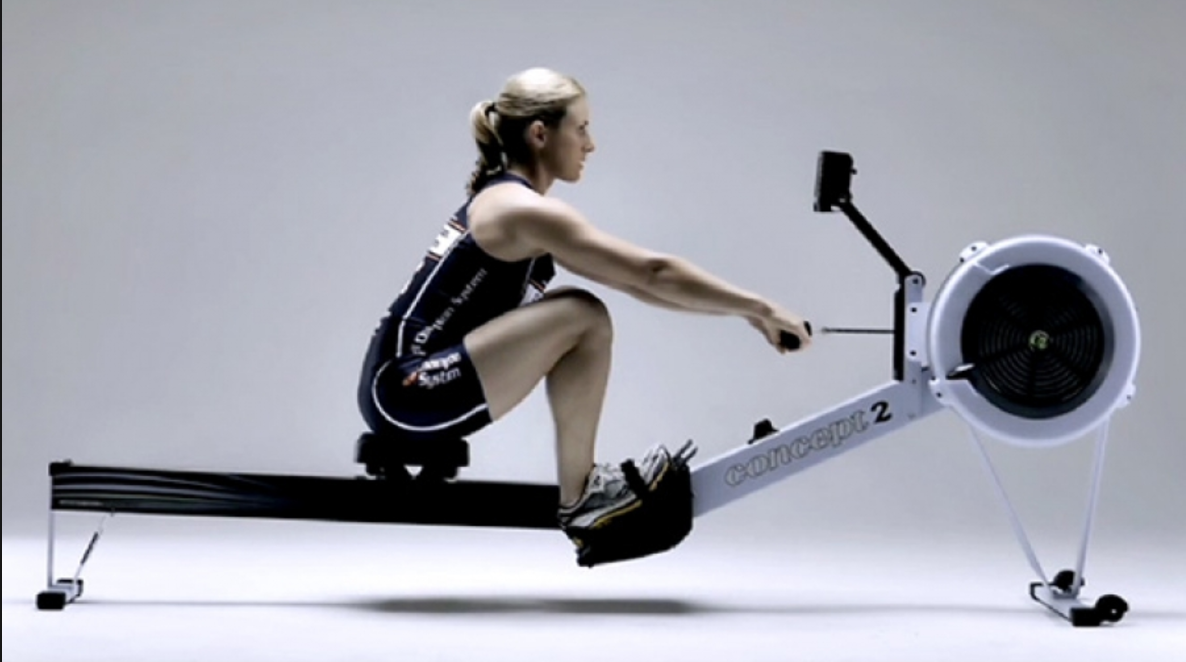
[This is a guest blog by Erin Ritterbusch who is currently an intern at Athletic Lab. Erin is a recent graduate of Auburn University where she received her Master's degree in Exercise Science with a concentration in biomechanics.] The first thing I learned when I joined the club rowing team at my undergrad was that technique is the most important aspect of becoming a powerful and efficient rower. Not only does it allow you to produce more power, but also helps prevent injuries that can occur with improper technique on the rowing machine. The sequence of a stroke is the basis of good technique, which helps rowers translate to the water. The biggest misconception with rowing is that power comes from your arms, but in actuality, the majority of power comes from your legs. The beginning of the stroke is called "the catch". The catch is then is followed by "the drive" phase, "the finish" or "release". The last phase of the stroke is "the recovery" phase. These four phases are sequential in nature rather than simultaneous because they should be treated as one fluid motion. *It should also be noted that the drive and recovery phases are normally seen as a 1:2 ratio; meaning that the time spent to "recover" on the way up the slide takes twice as long as driving the legs back during the power producing phase of the stroke. Creating this rhythm allows for the continuous flow of the stroke and gives you true recovery time. Additionally, on the water, it will reduce any forward jolting of the boat, which can set back the number of meters gained during the drive. 1: The Catch 2: The Drive [...]

By |2017-04-12T19:29:05-04:00November 1st, 2016|Training Info|1 Comment

When to Stop! The Cost of Playing Through Injuries by Jonte Brown

[This is a guest blog by Jonte Brown. Jonte is a graduate of Johnson C. Smith University in Charlotte, NC with a degree in Sport Management and is currently serving as an Athletic Development Intern at Athletic Lab.] At some point in an athlete's career, no matter their level, they're going to get hurt. Most injuries require a medical release to return to competition. For an athlete who plays through an injury, he or she is at the risk of effecting their long-term health. Athletes are looked at as role models and heroes for sacrificing their bodies for the glory to win. Why do athletes take the risk and play injured? Maybe to show toughness? Coaches command it. Maybe for fans or the organization, or they just are not willing to miss out. Playing through pain is something that's been experienced by athletes since sports began. Playing with aches and pains are the norm in athletics, especially in contact sports in which players or prospects are sometimes graded on "toughness." Athletes train to control and master their bodies. A injury may seem like a form of betrayal to them because their body isn't cooperating with the physical demands. In reality, the body is telling the mind it needs a break. An individual's mentality has to be very strong to know when to shut it down and get fully recovered when injured to avoid potentially more severe injuries. The sayings, "there is no "I" in team," "get back out there," "suck it up," or "tough it out" are phrases players might hear when they don't feel 100%. The body isn't built to sustain high stress and impact movements for such prolonged periods. That's why the term [...]

By |2017-04-12T19:29:26-04:00October 18th, 2016|Training Info|0 Comments

A Balanced Look at CrossFit by Brandon Hooks

[This is a guest blog from Brandon Hooks. Brandon is a senior at Ferrum College pursuing his degree in Health and Human Performance. Brandon is participating in the coaching mentorship program at Athletic Lab.] CrossFit is based on functional movements at high intensity such as running, jumping, squatting, pushing and pulling. Changing movements during the workout at a high level is a key component to CrossFit. The Workout of the Day (WOD) is the set of routines that are going to be performed for the day and is designed to incorporate a broad range of exercises with a specific number of repetitions per exercise. For example: 100 pull-ups, 100 push-ups, 100 sit-ups, and 100 squats could comprise the WOD. CrossFit is high intensity training. High-Intensity Interval Training (HIIT) implements alternating short anaerobic bursts of exercise followed by recovery periods. This interval is critical for increased fitness. Research has shown that HIIT provides improved athletic capacity and condition and improvement in fat burning. The question that many ask or wonder is that, is CrossFit really good for you? There have been concerns and arguments that CrossFit isn't good for you because of the risk of injuries that are involved with doing certain CrossFit movements such as the kettlebell swing. In CrossFit competitions, the kettlebell swings are done to an overhead extension instead of to shoulder or eye level. Doing a kettlebell swing this way increases the risk of injury. I believe the Russian kettlebell swing is better for someone who is not used to doing those movements or in non-competitive CrossFit. I have seen the benefits and the good results from knowing a person that used CrossFit. This guy was a former Division I basketball player, [...]

By |2017-04-12T19:30:54-04:00August 9th, 2016|Training Info|0 Comments
Go to Top