
A Comprehensive Guide to Protein Requirements for Resistance Trained Athletes

In the realm of fitness and athleticism, one of the most debated topics is the optimal amount of protein intake for resistance-trained athletes. Whether you're a bodybuilder sculpting your physique or a weightlifter chasing new personal records, understanding your protein needs is essential for maximizing muscle growth, recovery, and overall performance. In this post, we'll delve into the science behind protein consumption, dispel common myths, and provide practical recommendations tailored to the unique demands of resistance training. The Basics of Protein and Muscle Growth Protein is an indispensable macronutrient that plays a crucial role in building and repairing tissues, including the skeletal muscles that are central to resistance training. When you engage in activities like weightlifting, your muscles undergo stress and damage at a microscopic level. Adequate protein intake is necessary to facilitate the repair and synthesis of new muscle proteins, promoting hypertrophy or muscle growth. The Recommended Daily Allowance (RDA) for protein set by health authorities is 0.8 grams per kilogram of body weight. However, resistance-trained athletes have significantly higher demands due to the increased wear and tear on their muscles. The focus shifts from merely meeting basic bodily needs to optimizing protein intake for enhanced athletic performance and recovery. Protein Needs for Resistance-Trained Athletes The optimal protein intake for resistance-trained athletes is a multifaceted subject influenced by various factors, including training intensity, frequency, type, and individual differences in metabolism and body composition. Research suggests a broad range of protein intake for athletes, and it's crucial to tailor recommendations to specific goals. Muscle Maintenance and General Fitness: 1.2-1.6 g/kg For individuals engaging in moderate resistance training to maintain general fitness, a protein intake ranging from 1.2 to 1.6 grams per kilogram of body weight [...]


By |2023-12-02T16:47:24-05:00December 4th, 2023|Nutrition Info|0 Comments

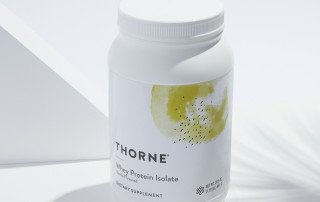
A Comprehensive Comparison of Whey, Casein, and Soy Protein

Protein is an essential nutrient that plays a vital role in maintaining and repairing the body's tissues, making it an integral part of a balanced diet. It is especially important for strength training athletes. Three popular protein sources—whey, casein, and soy—offer unique benefits and cons. In this blog post, we'll explore the pros and cons of each protein type, backed by scientific research, to help you make an informed choice. Athletic Lab has partnered with Thorne - the industry leading sports and health supplement company. You can find these and many other health and performance supplements in our Thorne dispensary where Athletic Lab's Mike Young has hand selected his most recommended products.  Athletic Lab members are eligible for significantly discounted prices by contacting us to set up their personal access code. Now let's take a look at the three most popular forms of protein supplements. Whey Protein Whey protein is derived from milk and is a complete protein source, meaning it contains all essential amino acids. Benefits of Whey Protein: Rapid Absorption: Whey protein is known for its rapid digestion and absorption. A study published in the International Journal of Sport Nutrition and Exercise Metabolism showed that whey protein leads to a significant increase in plasma amino acids, making it ideal for post-workout recovery. High in BCAAs: Whey protein is rich in branched-chain amino acids (BCAAs), especially leucine. Research published in the Journal of Nutrition suggests that whey protein supplementation enhances muscle protein synthesis. Weight Management: Some studies indicate that whey protein can aid in weight management. Whey promotes satiety and increased thermogenesis which potentially aid in fat loss. Cons of Whey Protein: Lactose Content: Whey protein contains lactose, which can be problematic for individuals with [...]

By |2024-08-14T08:34:59-04:00October 23rd, 2023|Nutrition Info|0 Comments

7 Tips To Fend Off Holiday Weight Gain by Frank Muntis

[Frank Muntis recently finished his Master's degree in Exercise Physiology from the University of Louisville and is currently in the Coaching Mentorship Program at Athletic Lab.] As a nutrition coach, an issue I find many people struggle with is managing their nutrition in social situations such as parties, get-togethers and holidays. The holidays are a time meant to be spent reuniting with friends and family and partaking in time-honored traditions, however, for the fitness minded it can also be a stressful time trying to figure out how to make it through a season of festivities without losing hard earned progress. With just a few simple behavior strategies, keeping off the holiday weight gain can be easier than you may think. Today, I am going to share with you seven tried and true strategies to stay in line with your goals while enjoying the holidays. Strategy 1: Bring a Dish Between friends and family, it is not uncommon to find yourself at a holiday party nearly every other weekend through the holiday season. Surrounded by appetizers, dips, cookies and other delicious treats, temptations can seem nearly impossible to resist. A strategy that can help combat this is to make a healthy dish ahead of time to share. Not only will you have contributed something to the party, but if you prepare something that is both nutritious and something you genuinely enjoy, you will have a go-to during the party that will keep you from mindlessly eating on junk food. The key here is to find something that you know you enjoy so that it isn't something you necessarily have to talk yourself into eating. For some, this could be hummus and carrots or pita bread, cinnamon-spiced [...]

By |2019-04-25T13:59:54-04:00December 14th, 2017|Nutrition Info|0 Comments

The Protein Athletes Aren’t Consuming But Should Be by Frank Muntis

[Frank Muntis recently finished his Master's degree in Exercise Physiology from the University of Louisville and is currently in the Coaching Mentorship Program at Athletic Lab.] The internet is full of information about different nutritional topics and it can be difficult at times to sift through all the information to find practical, research-backed strategies to improve health and performance. When talking about sports nutrition it is common to hear discussions of the benefits of whey protein, casein, fish oil, carbohydrates or other various topics for the health and performance of athletes and these topics deserve discussion. There is, however, one nutritional supplement that I have found to truly make a difference in my well-being and performance collagen. Collagen is a protein that is found throughout your body in your bones, skin, tendons, ligaments, hair, nails and more. In supplemental form, collagen is usually derived from cows and is also commonly used as gelatin in cooking. About 30% of the body's protein consists of collagen. While much of the research on collagen supplementation is geared towards clinical populations, the implications of the findings from these studies shine a light on an area of sports nutrition that can potentially lead to fewer injuries, increased performance, and improved health and wellness. Effects on the Prevention of Injuries The number one goal of any good strength coach or athlete is to prevent injury. Some of the most common injuries in sports are related to connective tissues like tendons, ligaments, and bones with sprains, strains, tears and fractures as some of the predominant injuries. While these are incredibly strong tissues, they also take a greater amount of time to heal and adapt than other tissues. One study by Dr. Steffen [...]

By |2017-11-21T13:59:19-05:00November 21st, 2017|Nutrition Info|0 Comments
Go to Top