Why Physical Therapy Matters After ACL Injury

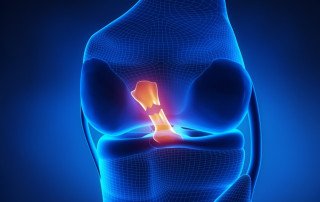
Physical therapy before and after ACL injury strongly influences pain, function, and return‑to‑sport rates. There is growing evidence that high‑quality, longer‑duration rehab and neuromuscular training reduce reinjury risk and improve long‑term outcomes. Pairing expert surgical care with evidence‑based physical therapy is one of the biggest determinants of whether they get back to the field and stay there.[1][2][3][4][5] Why Physical Therapy Matters After ACL Injury Early, structured physical therapy is now considered a core part of ACL management, whether the injury is treated surgically or non‑surgically. Research shows that recovery is not guaranteed with surgery alone; persistent strength, neuromuscular, and movement deficits can linger for years without targeted rehab.[2][6][7][8] Anterior cruciate ligament (ACL) reconstruction patients often show abnormal loading patterns and asymmetries in both legs, which are directly linked to higher risk of a second ACL injury.[3][7] High‑quality rehabilitation that addresses strength, movement mechanics, and neuromuscular control is essential to restore performance and protect the new graft or healing ligament.[5][3] Prehabilitation: Setting Up Surgery for Success Prehabilitation (structured PT before ACL reconstruction) focuses on regaining motion, strength, and neuromuscular control before surgery. Consequently, this prehabilitation meaningfully changes what happens after the operation. Systematic reviews report that prehab is safe and yields short‑, moderate‑, and long‑term benefits without increasing complication rates.[9][10][2] For example, a 2020 review found that prehab improves pre‑operative function and leads to better self‑reported knee function. This benefit lasts up to two years after ACL reconstruction, with trends toward faster and higher return‑to‑sport rates.[2] Additionally, recent work supports prehab programs that emphasize range of motion, quadriceps strength, and neuromuscular exercises. This prehab serves as a way to help patients meet or exceed accepted “pass” thresholds for symptoms and function before progressing.[10][9] Post‑Op PT: Speed, [...]
By |2025-12-29T12:09:29-05:00December 29th, 2025|Physical Therapy|0 Comments

ACL Physical Therapy for Optimal Healing

An ACL rupture can be one of the most devastating any athlete experiences. Appropriate physical therapy is a cornerstone of successful recovery for athletes returning from ACL ruptures. The journey back to sport is complex, requiring not only the restoration of physical function but also the careful management of psychological barriers and risk factors. Evidence-based rehabilitation protocols have been shown to dramatically improve outcomes, reduce re-injury rates, and help athletes return to their pre-injury performance levels with greater confidence and safety. [1][2][3][4] The Critical Role of Physical Therapy in ACL Recovery Physical therapy following an ACL rupture—whether treated surgically or non-surgically—serves multiple essential functions. Early intervention focuses on reducing pain and swelling, restoring full range of motion, and preventing muscle atrophy. As rehabilitation progresses, the emphasis shifts to rebuilding strength, neuromuscular control, and dynamic stability. Therapists guide athletes through a structured progression that includes core strengthening, lower body conditioning, balance training, and sport-specific drills. This comprehensive approach is designed to restore not just the knee’s function, but the athlete’s entire movement system. Research consistently demonstrates that athletes who engage in structured physical therapy programs return to sport faster and with lower rates of re-injury compared to those who do not. For example, studies show that preoperative rehabilitation (prehab) can improve quadriceps strength, enhance neuromuscular function, and lead to better self-reported knee function and quicker return to sport timelines. Postoperatively, physical therapy protocols that include early weight-bearing, quadriceps strengthening, and progressive dynamic control exercises are associated with improved functional outcomes and reduced risk of osteoarthritis. Evidence-Based Rehabilitation Protocols Modern ACL rehabilitation is guided by both time-based and criterion-based milestones. The typical timeline spans 9–12 months, with athletes progressing through distinct phases: Early Phase (0–6 weeks): Focus [...]

By |2025-12-29T12:08:20-05:00November 24th, 2025|Physical Therapy|0 Comments

Athletic Lab to offer Performance Physical Therapy

Athletic Lab is proud to announce the addition of performance physical therapy services. Services will begin November 17, 2025 by our new Performance Physical Therapist Brandon Guastafeste, DPT, CSCS. This expansion represents a strategic alignment of elite rehabilitation expertise with Athletic Lab's commitment to evidence-based, performance-driven training. A Perfect Partnership Brandon brings a credential set and clinical philosophy that mirrors Athletic Lab's foundation of scientific rigor and athletic excellence. As a Certified Strength and Conditioning Specialist through the NSCA, Functional Range Conditioning practitioner, and dry needling specialist, his qualifications bridge the critical gap between rehabilitation and performance training. Since 2016, Brandon has specialized in working with athletes across all competitive levels, with particular expertise in lower-extremity injury management and on-field return-to-play protocols. Brandon's clinical focus centers on ACL rehabilitation and return-to-sport therapy, addressing one of the most challenging aspects of athletic recovery. His experience includes extensive work with athletes in multiple sports, ensuring comprehensive understanding of sport-specific movement demands and performance requirements. Brandon is the founder of All Around Athlete, a physical therapy practice dedicated to bridging rehabilitation and sport. Brandon has built his career on the same principles that drive Athletic Lab's approach to training. Cash-Based Care Model Athletic Lab's performance physical therapy services will operate on a cash-based model, offering distinct advantages for athletes and active individuals. This approach enables extended one-on-one session times, fully individualized treatment plans without insurance restrictions, and complete transparency in pricing and care delivery. Athletes benefit from immediate access to care without referral delays, customized protocols that address root causes rather than symptoms, and accelerated recovery timelines through focused attention. Integrated Performance Solution Performance physical therapy completes Athletic Lab's comprehensive service offering. It creates a seamless continuum from [...]

By |2025-12-29T12:11:51-05:00November 15th, 2025|News, Physical Therapy|0 Comments

The Critical Role of Sport Performance Training for High School Athletes: Building Champions While Preventing Injuries

High school represents a pivotal window of opportunity in athletic development. During these formative years, young athletes possess unique physiological advantages that make them prime candidates for significant gains in strength, speed, and conditioning. However, without proper guidance through structured sport performance training, these athletes may miss this crucial developmental window or develop movement patterns that increase their risk of injury.[1] The Foundation of Athletic Excellence Sport performance training for high school athletes extends far beyond simply improving game statistics—it builds a comprehensive foundation for lifelong fitness, injury prevention, and peak athletic achievement. Unlike traditional high school sports programs that focus primarily on skill development and team building, dedicated performance training addresses what Athletic Lab identifies as the three pillars of athletic excellence: speed development, strength training, and conditioning.[1] The Speed Development Advantage Speed training encompasses much more than running fast in a straight line. For high school athletes, comprehensive speed development includes acceleration and deceleration mechanics, multi-directional agility, and reaction time improvement. These skills translate directly to better defensive positioning, more effective offensive moves, and reduced injury risk during unpredictable game scenarios.[1] Speed training for youth athletes should follow a whole-part-whole rhythm, allowing athletes to express speed naturally, then focusing on specific technical elements before testing transfer through competition. This approach ensures that speed gains are both measurable and applicable to sport-specific situations.[2] Strength Training: The Performance Foundation Resistance training has emerged as a cornerstone of youth athletic development, with compelling evidence supporting its safety and effectiveness. A comprehensive systematic review published in Sports Health found that resistance training among at-risk youth populations can reduce injury risk by up to 68% while simultaneously improving sports performance and health measures.[3] The American Academy of Pediatrics [...]

By |2025-10-29T15:52:53-04:00October 30th, 2025|News|0 Comments

How Will AI Become a Sports Science Tool? by Sims Setser

[This is a guest blog by Sims Setser. Sims is pursuing a BS in Kinesiology, while completing a Sports Science and Performance Coaching Mentorship at Athletic Lab.] The rapid rise of artificial intelligence (AI) is transforming industries across the board, and sports science is no exception. From performance analysis to injury prevention and rehabilitation, AI holds significant potential to revolutionize the way athletes are trained and managed. By leveraging big data and machine learning algorithms, sports scientists can offer deeper insights into an athlete's performance, health, and overall well-being, leading to more personalized and effective training programs. However, AI’s rapid adoption also brings challenges, including data privacy risks, ethical concerns, and financial barriers that may limit accessibility. The Intersection of AI and Sports Science Sports science has traditionally relied on the combination of empirical research and practical experience to improve athletic performance. However, with the massive amounts of data now being generated by wearables, video analysis, and other technology, analyzing and interpreting this data can be an overwhelming task. This is where AI steps in. Machine learning algorithms can process vast quantities of information, detecting patterns and relationships that might not be immediately apparent to humans. In doing so, AI can enhance traditional sports science methods by making them more precise and efficient. Performance Monitoring and Enhancement One of the most exciting areas where AI is expected to make a significant impact is in performance monitoring and enhancement. Traditionally, sports scientists would analyze an athlete’s performance based on a combination of manual observation, video footage, and periodic testing. With AI, this can be taken to a whole new level. Advanced AI-driven systems can now analyze movement patterns in real-time, using data from wearable devices, GPS systems, and [...]

By |2025-02-19T14:45:51-05:00November 7th, 2024|Training Info|0 Comments

Benefits of Dryland Training for Swimmers

Swimming is a demanding sport that requires a unique combination of strength, endurance, and technique. While time in the water is essential for a swimmer's development, dryland training has become an integral part of a comprehensive training program. In this post, we'll explore the numerous benefits of dryland training for swimmers, supported by research and studies that validate its positive impact on swimmers' performance. Athletic Lab is the proud provider of dryland training for the Marlins of Raleigh swim club. The club has been recognized as a Gold Medal Club by USA Swimming five times. If you are a swimmer interested in improving your performance or the coach / manager of a sports team interested in leveling up, please check out Athletic Lab's Team Training. Enhanced Strength and Power Swimmers who engage in dryland training experience improvements in overall strength and power. Studies have shown that resistance exercises, such as weightlifting and bodyweight workouts, lead to increased muscle mass and strength. According to a study published in the Journal of Strength and Conditioning Research (Amero et al., 2017), a 10-week dryland training program resulted in significant strength and explosive power improvements in swimmers. This added strength translated to improved performance in the water compared to swim training alone. The researchers suggested that the training should be focused on explosive power development. Further research by Lopes (2021) and colleagues found that dry-land training can significantly improve swim sprint performance.  Injury Prevention Dryland training plays a crucial role in injury prevention by addressing muscular imbalances and weaknesses. Overuse injuries are common among swimmers due to the repetitive nature of the sport. A study by Yoma et al. (2022) published in the Journal of Sport Rehabilitation found that [...]

By |2023-10-30T10:11:08-04:00November 3rd, 2023|Training Info|0 Comments

The Science Behind Dynamic Air Compression for Athletic Recovery

Dynamic Air Compression can help with recovery and injury prevention. Athletes are constantly pushing their bodies to the limit, subjecting themselves to intense training sessions and competitions. To maintain peak performance and prevent injury, recovery is crucial. One emerging technology that has gained popularity in recent years is dynamic air compression. In this blog post, we will explore the science behind dynamic air compression for athletic recovery and discuss the evidence from peer-reviewed research. Athletic Lab offers Dynamic Air Compression along with several other recovery methods in our Recovery Suite. If you are interested in accessing the recovery suite please contact us. Understanding Dynamic Air Compression Dynamic air compression, also known as pneumatic compression therapy, involves the use of inflatable sleeves or boots that are placed around the limbs, typically the legs or arms. These sleeves are connected to a device that inflates and deflates them rhythmically, creating a pulsating compression on the targeted area. The goal is to improve circulation, reduce muscle soreness, and speed up the recovery process in athletes. The Mechanism of Action Pneumatic compression therapy works through several mechanisms: Enhanced Blood Flow: Research has shown that the rhythmic compression and release of the sleeves stimulate blood flow in the treated area. This increased circulation helps remove metabolic waste products, such as lactic acid, which can accumulate during intense exercise and cause muscle fatigue and soreness. Reduced Inflammation: Compression therapy has been found to reduce inflammation by promoting the movement of lymphatic fluid, which carries away cellular debris and inflammatory substances from the tissues. This can be particularly beneficial for athletes recovering from injuries. Muscle Recovery: Dynamic air compression can aid in muscle recovery by reducing muscle stiffness and promoting the delivery [...]

By |2023-10-31T08:35:06-04:00October 30th, 2023|Training Info|0 Comments

Young provides Injury Prevention & Return to Play lecture for Turkish Coaches

Athletic Lab's Dr. Mike Young recently provided a streaming course on Injury Prevention and Return to Play for Turkish strength and conditioning coaches. The streaming lecture series was hosted by Quadroathletics and Medikurs. The Turkish companies hosted an Athletic Lab Coaching Academy CHPC Level 1 course in 2019 and was slated to host multiple Academy courses in 2021 that were ultimately delayed due to COVID-19. Young discussed the most common causes of preventable sport injuries, evidence-based training interventions to reduce their likelihood, and special considerations for return to sport. This lecture marks Mike's 8th for the group in 2021. The Athletic Lab Coaching Academy has a scheduled CHPC Level 2 course for later in 2021. If you are interested in having Dr. Young and any other Athletic Lab staff lecture or provide a private workshop for your organization please contact us for details.

By |2021-11-21T19:05:47-05:00November 22nd, 2021|News|0 Comments

Red Light Therapy: What it is and Uses for Athletes by Liam Sutton

[This is a guest blog by Liam Sutton. Liam is a senior at Ball State University working towards his bachelor’s degree in exercise science with a concentration in basic and applied sciences. He hopes to attend Australian National University’s Master of Neuroscience program after graduation. He is currently participating in the Athletic Lab Internship Program.] "The Armoury" from Red Light Rising in the Athletic Lab Recovery room. In the Athletic Lab recovery room, athletes have access to a red light therapy apparatus. This blog post is intended to educate Athletic Lab athletes on what red light therapy is, why an athlete would use it, and how to utilize it for optimal results.  What is Red Light Therapy?  Red light therapy is a form of light therapy that uses red and/or near infrared light to stimulate cellular energy production. While we can see red light, infrared light is outside the visible spectrum, meaning our eyes cannot pick it up. Our inability to see it does not lessen its effects; however, as both red and infrared light have been shown to have a variety of positive effects on the human body which can be harnessed to improve athletic performance and recovery. Research has shown improvements in sleep and many aspects of sport performance. Some literature suggests faster recovery from training. This article will address each of these elements, as well as look into what we think is the primary underlying mechanism of red light therapy so athletes who are interested will have a better understanding of what is happening at the cellular level. We will begin by going over how red light therapy can influence a state we spend about a third of our lives [...]

By |2021-09-25T09:41:03-04:00September 25th, 2021|Training Info|0 Comments

The Protein Athletes Aren’t Consuming But Should Be by Frank Muntis

[Frank Muntis recently finished his Master's degree in Exercise Physiology from the University of Louisville and is currently in the Coaching Mentorship Program at Athletic Lab.] The internet is full of information about different nutritional topics and it can be difficult at times to sift through all the information to find practical, research-backed strategies to improve health and performance. When talking about sports nutrition it is common to hear discussions of the benefits of whey protein, casein, fish oil, carbohydrates or other various topics for the health and performance of athletes and these topics deserve discussion. There is, however, one nutritional supplement that I have found to truly make a difference in my well-being and performance collagen. Collagen is a protein that is found throughout your body in your bones, skin, tendons, ligaments, hair, nails and more. In supplemental form, collagen is usually derived from cows and is also commonly used as gelatin in cooking. About 30% of the body's protein consists of collagen. While much of the research on collagen supplementation is geared towards clinical populations, the implications of the findings from these studies shine a light on an area of sports nutrition that can potentially lead to fewer injuries, increased performance, and improved health and wellness. Effects on the Prevention of Injuries The number one goal of any good strength coach or athlete is to prevent injury. Some of the most common injuries in sports are related to connective tissues like tendons, ligaments, and bones with sprains, strains, tears and fractures as some of the predominant injuries. While these are incredibly strong tissues, they also take a greater amount of time to heal and adapt than other tissues. One study by Dr. Steffen [...]

By |2017-11-21T13:59:19-05:00November 21st, 2017|Nutrition Info|0 Comments
Go to Top