ACL Physical Therapy for Optimal Healing

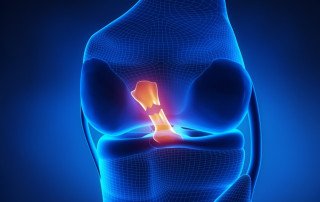
An ACL rupture can be one of the most devastating any athlete experiences. Appropriate physical therapy is a cornerstone of successful recovery for athletes returning from ACL ruptures. The journey back to sport is complex, requiring not only the restoration of physical function but also the careful management of psychological barriers and risk factors. Evidence-based rehabilitation protocols have been shown to dramatically improve outcomes, reduce re-injury rates, and help athletes return to their pre-injury performance levels with greater confidence and safety. [1][2][3][4] The Critical Role of Physical Therapy in ACL Recovery Physical therapy following an ACL rupture—whether treated surgically or non-surgically—serves multiple essential functions. Early intervention focuses on reducing pain and swelling, restoring full range of motion, and preventing muscle atrophy. As rehabilitation progresses, the emphasis shifts to rebuilding strength, neuromuscular control, and dynamic stability. Therapists guide athletes through a structured progression that includes core strengthening, lower body conditioning, balance training, and sport-specific drills. This comprehensive approach is designed to restore not just the knee’s function, but the athlete’s entire movement system. Research consistently demonstrates that athletes who engage in structured physical therapy programs return to sport faster and with lower rates of re-injury compared to those who do not. For example, studies show that preoperative rehabilitation (prehab) can improve quadriceps strength, enhance neuromuscular function, and lead to better self-reported knee function and quicker return to sport timelines. Postoperatively, physical therapy protocols that include early weight-bearing, quadriceps strengthening, and progressive dynamic control exercises are associated with improved functional outcomes and reduced risk of osteoarthritis. Evidence-Based Rehabilitation Protocols Modern ACL rehabilitation is guided by both time-based and criterion-based milestones. The typical timeline spans 9–12 months, with athletes progressing through distinct phases: Early Phase (0–6 weeks): Focus [...]

By |2025-12-29T12:08:20-05:00November 24th, 2025|Physical Therapy|0 Comments

Recovery Revolution: Hot & Cold Therapy Trends

Hot and cold therapy has stormed into the spotlight as a recovery ritual for athletes, fitness enthusiasts, and wellness seekers in 2025. This “Recovery Revolution” isn’t just an Instagram fad—it’s scientifically backed and powered by innovation, personalization, and accessibility. Let’s explore how hot, cold, and contrast therapies are reshaping how we bounce back, perform, and thrive post-training. The Rise of Cold Therapy: Cold Plunges, Cryotherapy & Beyond Cold plunging isn’t just for the hardcore athlete anymore; it’s mainstream. In 2025, at-home cold plunge systems and facial cold immersion kits are making cold therapy accessible to virtually everyone. Cold water immersion (typically 39–55°F for several minutes) has been shown to: Reduce muscle soreness Boost mood and focus Improve circulation and sleep quality Accelerate recovery post-exercise Activate the parasympathetic nervous system for relaxation[1][2] Facial ice baths are surging for their ability to decrease puffiness, promote healthy skin, and relieve facial tension. For athletes, cold immersion also helps lower inflammation—an essential factor for effective recovery and injury reduction.[2] Hot Therapy: Still a Clinician’s Favorite for Muscle Relief Heat remains a trusted tool in the recovery toolbox. Research demonstrates that hot packs are especially effective at relieving pain from delayed onset muscle soreness (DOMS) within the first 24–48 hours after exercise. In fact, hot pack therapy has shown more stable results for pain reduction compared to other modalities, making it a top pick for clinical application post-exercise.[3][4] Hot packs excel at reducing muscle pain both immediately and several hours after exercise Heat boosts blood flow, relaxation, and tissue elasticity Contrast Therapy: The Goldilocks Solution for Athletic Recovery Contrast therapy alternates between hot and cold treatments, such as switching between hot and cold baths or specialized contrast devices. This technique [...]

By |2025-08-20T16:28:03-04:00August 27th, 2025|Training Info|0 Comments

How Will AI Become a Sports Science Tool? by Sims Setser

[This is a guest blog by Sims Setser. Sims is pursuing a BS in Kinesiology, while completing a Sports Science and Performance Coaching Mentorship at Athletic Lab.] The rapid rise of artificial intelligence (AI) is transforming industries across the board, and sports science is no exception. From performance analysis to injury prevention and rehabilitation, AI holds significant potential to revolutionize the way athletes are trained and managed. By leveraging big data and machine learning algorithms, sports scientists can offer deeper insights into an athlete's performance, health, and overall well-being, leading to more personalized and effective training programs. However, AI’s rapid adoption also brings challenges, including data privacy risks, ethical concerns, and financial barriers that may limit accessibility. The Intersection of AI and Sports Science Sports science has traditionally relied on the combination of empirical research and practical experience to improve athletic performance. However, with the massive amounts of data now being generated by wearables, video analysis, and other technology, analyzing and interpreting this data can be an overwhelming task. This is where AI steps in. Machine learning algorithms can process vast quantities of information, detecting patterns and relationships that might not be immediately apparent to humans. In doing so, AI can enhance traditional sports science methods by making them more precise and efficient. Performance Monitoring and Enhancement One of the most exciting areas where AI is expected to make a significant impact is in performance monitoring and enhancement. Traditionally, sports scientists would analyze an athlete’s performance based on a combination of manual observation, video footage, and periodic testing. With AI, this can be taken to a whole new level. Advanced AI-driven systems can now analyze movement patterns in real-time, using data from wearable devices, GPS systems, and [...]

By |2025-02-19T14:45:51-05:00November 7th, 2024|Training Info|0 Comments

The Science Behind Dynamic Air Compression for Athletic Recovery

Dynamic Air Compression can help with recovery and injury prevention. Athletes are constantly pushing their bodies to the limit, subjecting themselves to intense training sessions and competitions. To maintain peak performance and prevent injury, recovery is crucial. One emerging technology that has gained popularity in recent years is dynamic air compression. In this blog post, we will explore the science behind dynamic air compression for athletic recovery and discuss the evidence from peer-reviewed research. Athletic Lab offers Dynamic Air Compression along with several other recovery methods in our Recovery Suite. If you are interested in accessing the recovery suite please contact us. Understanding Dynamic Air Compression Dynamic air compression, also known as pneumatic compression therapy, involves the use of inflatable sleeves or boots that are placed around the limbs, typically the legs or arms. These sleeves are connected to a device that inflates and deflates them rhythmically, creating a pulsating compression on the targeted area. The goal is to improve circulation, reduce muscle soreness, and speed up the recovery process in athletes. The Mechanism of Action Pneumatic compression therapy works through several mechanisms: Enhanced Blood Flow: Research has shown that the rhythmic compression and release of the sleeves stimulate blood flow in the treated area. This increased circulation helps remove metabolic waste products, such as lactic acid, which can accumulate during intense exercise and cause muscle fatigue and soreness. Reduced Inflammation: Compression therapy has been found to reduce inflammation by promoting the movement of lymphatic fluid, which carries away cellular debris and inflammatory substances from the tissues. This can be particularly beneficial for athletes recovering from injuries. Muscle Recovery: Dynamic air compression can aid in muscle recovery by reducing muscle stiffness and promoting the delivery [...]

By |2023-10-31T08:35:06-04:00October 30th, 2023|Training Info|0 Comments

Common Injuries in CrossFit and Methods of Prevention by Brandon Gremillion

[Brandon is a student at the University of Mount Olive majoring in Exercise Science. He is currently an Athletic Development Intern at Athletic Lab.] CrossFit is an exercise phenomenon that has sparked interest in many people and gyms across the nation. CrossFit was designed with the goal to, build a program that would best prepare trainees for any physical contingency-prepare them not only for the unknown but for the unknowable as well (Glassman, 2007). This sounds pretty good, right? It gets even better with the fact that CrossFit offers competitions on a reginal, national, world scale, and of course on a personal scale. As with any form of exercise there will be some downsides to a program; for CrossFit this is the gained reputation for its tendency to cause injuries. The reasons for injury in CrossFit are often a combination of poor technique combined with heavy loading. The overuse of a muscle can also lead directly to injury in an individual. Common injuries include but are not limited to the following: shoulder, low back injuries, knees, wrist, elbow, neck, chest, and foot injuries (Weisenthal, Beck, Maloney, DeHaven, & Giordano, 2014). Shoulder and low back injuries consume the majority of CrossFit related injuries. The common injuries of the shoulder include subacromial impingement, labrum tears, and rotator cuff tears (see Figure 1, 2, & 3 for common injury sites). The shoulders are mostly injured due to a result of a gymnastic movements performed during training (Weisenthal, Beck, Maloney, DeHaven, & Giordano, 2014). Examples of gymnastic movements commonly seen in CrossFit would be muscle ups and pull ups. A technique commonly performed during muscle ups and pull ups is "kipping" which if done incorrectly can severely damage the [...]

By |2017-04-12T19:27:31-04:00February 15th, 2017|Training Info|0 Comments
Go to Top